A look into the vision, innovation & excellence behind Axon 15
To the unsuspecting delegate, AXON 15 appeared seamless - a symphony of science, innovation and precision. But behind every perfectly timed session lay months of intense discussions, frantic messages, sleepless nights, and a team determined to make the impossible appear effortless.
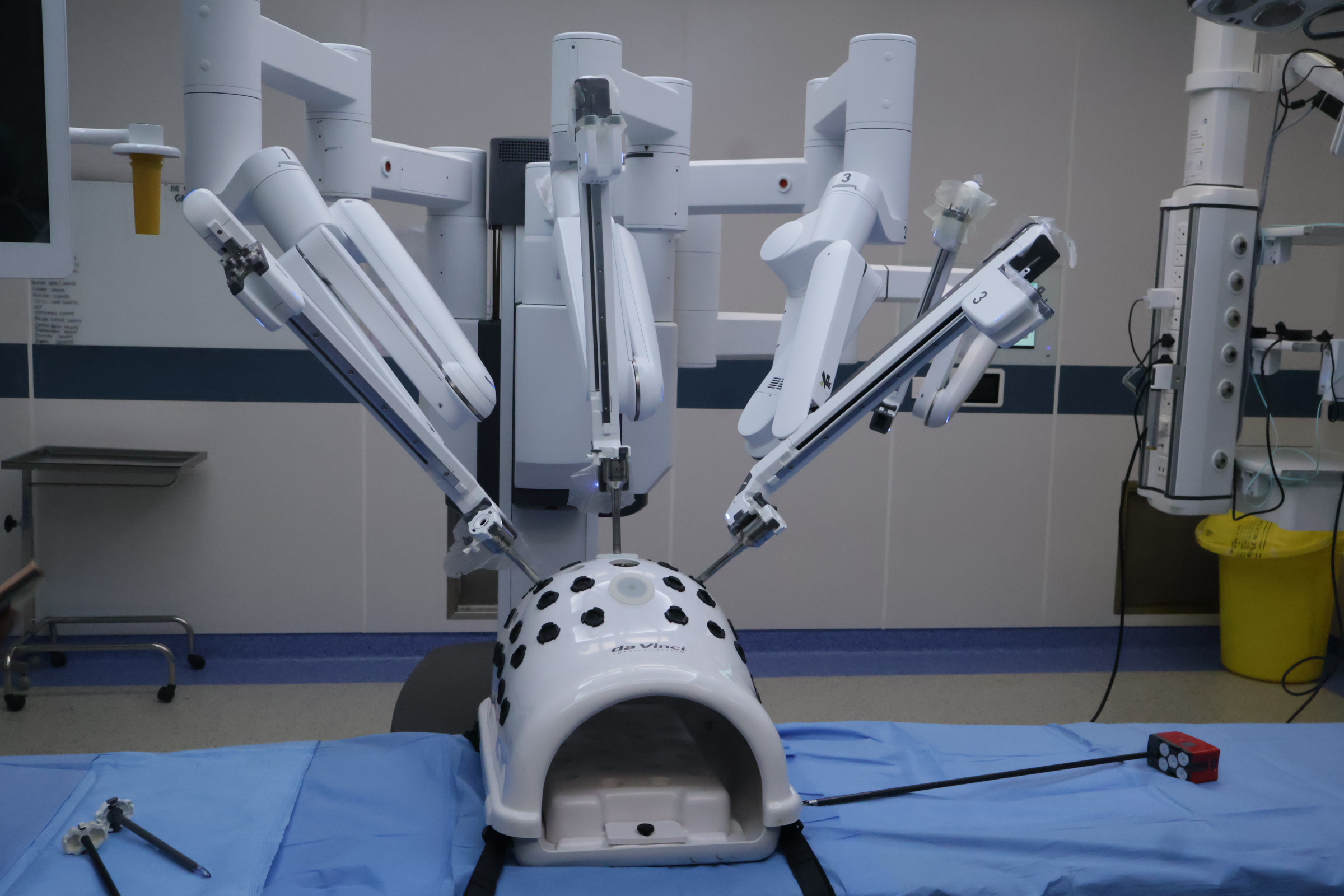
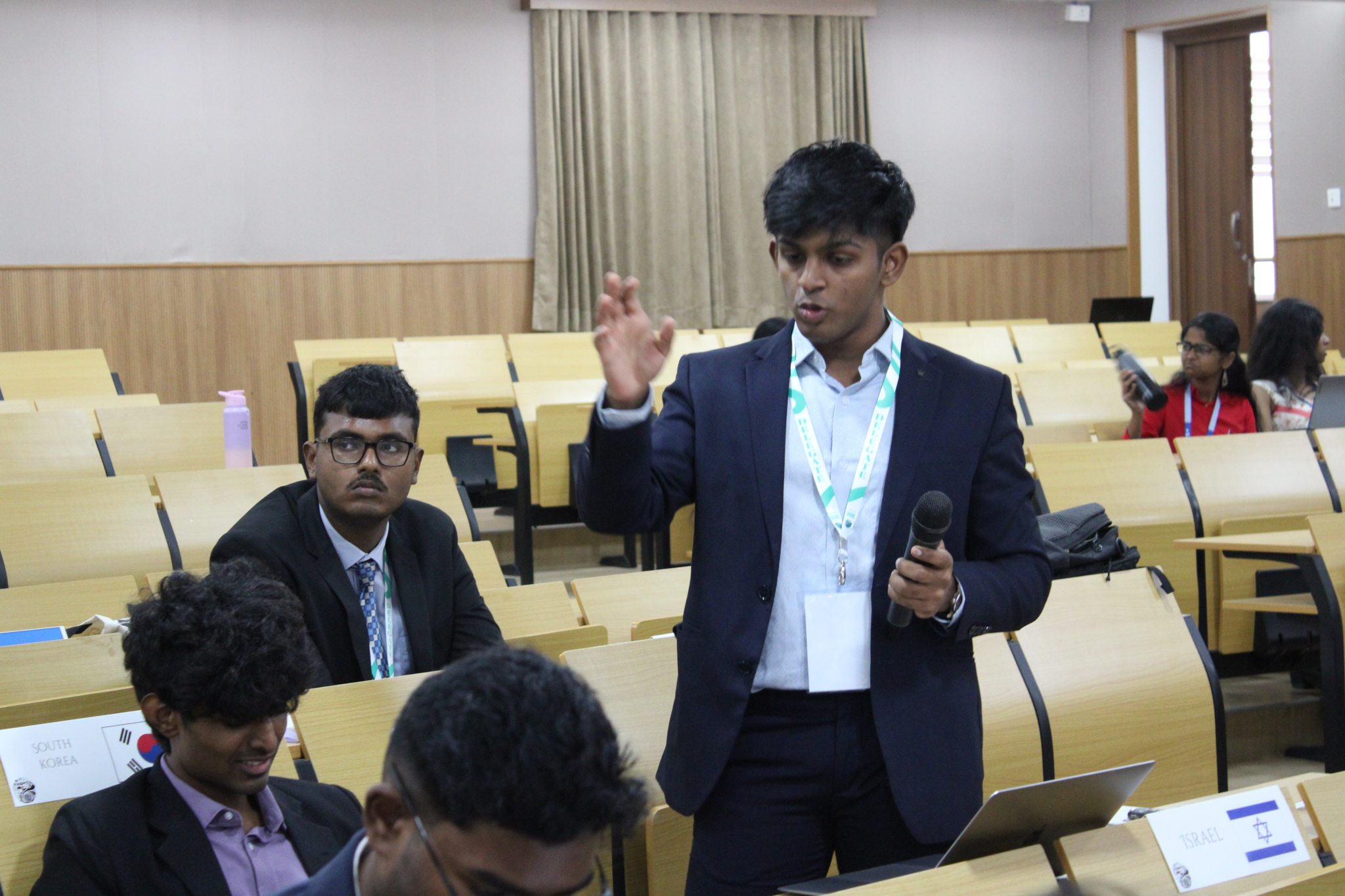
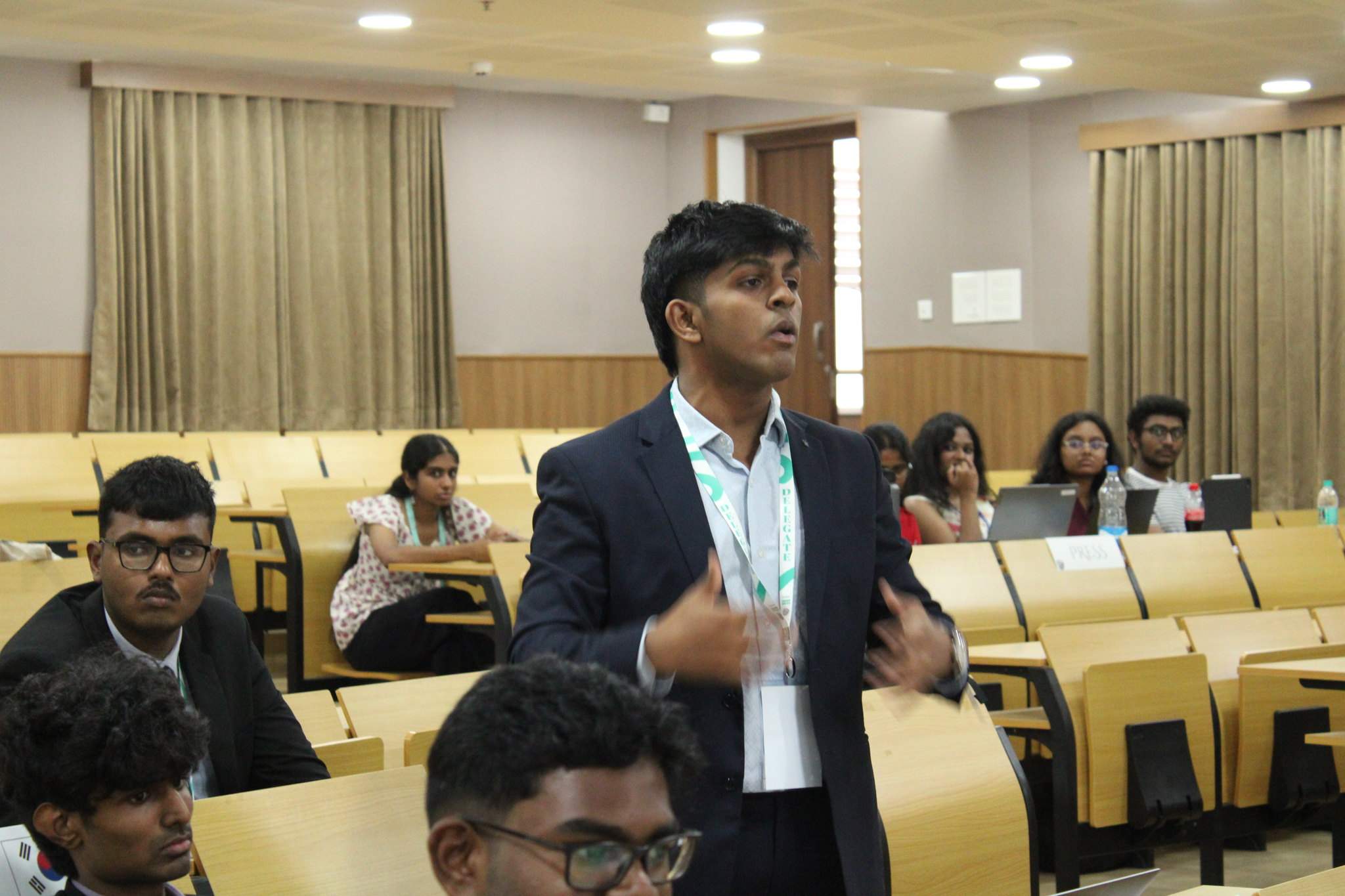
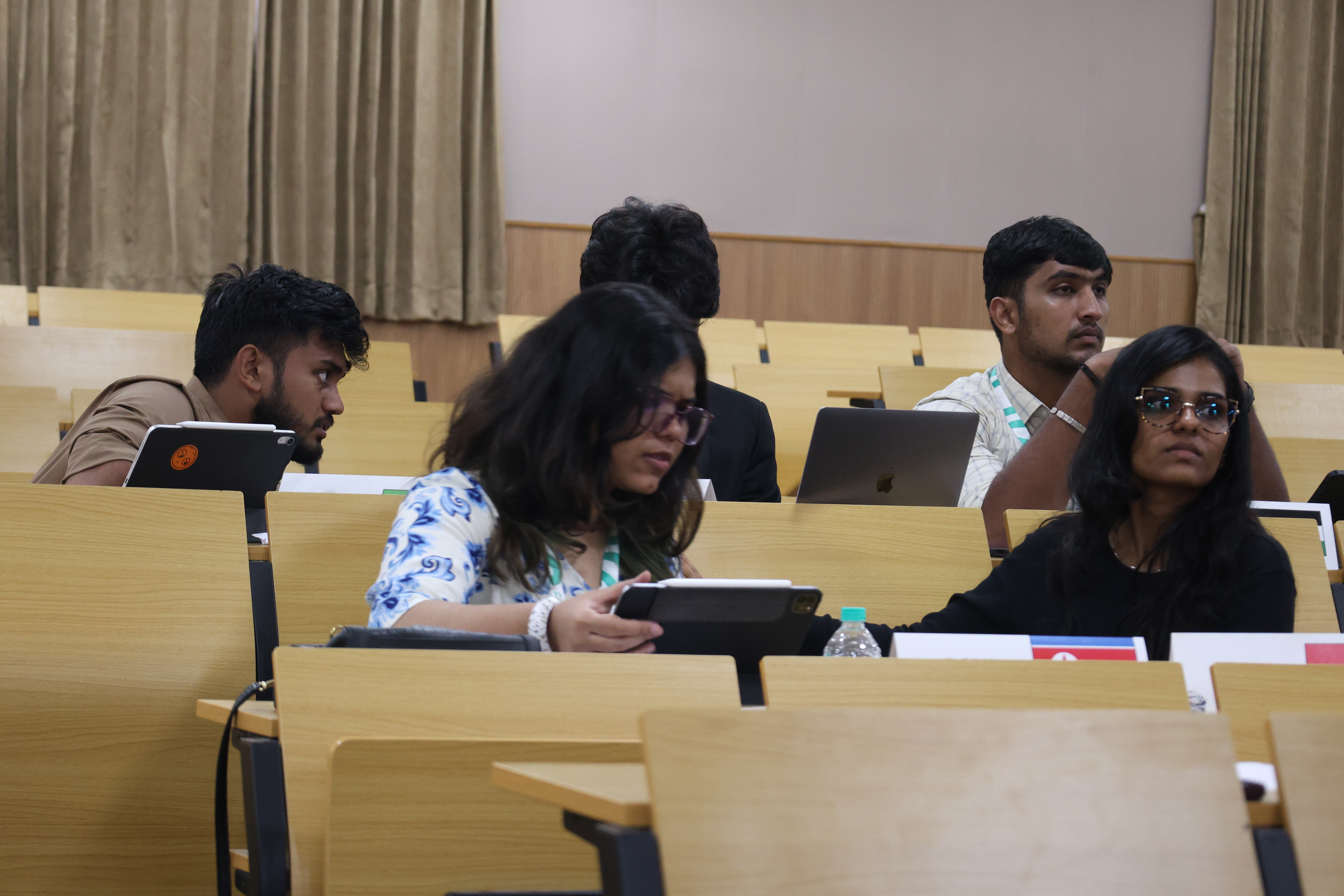
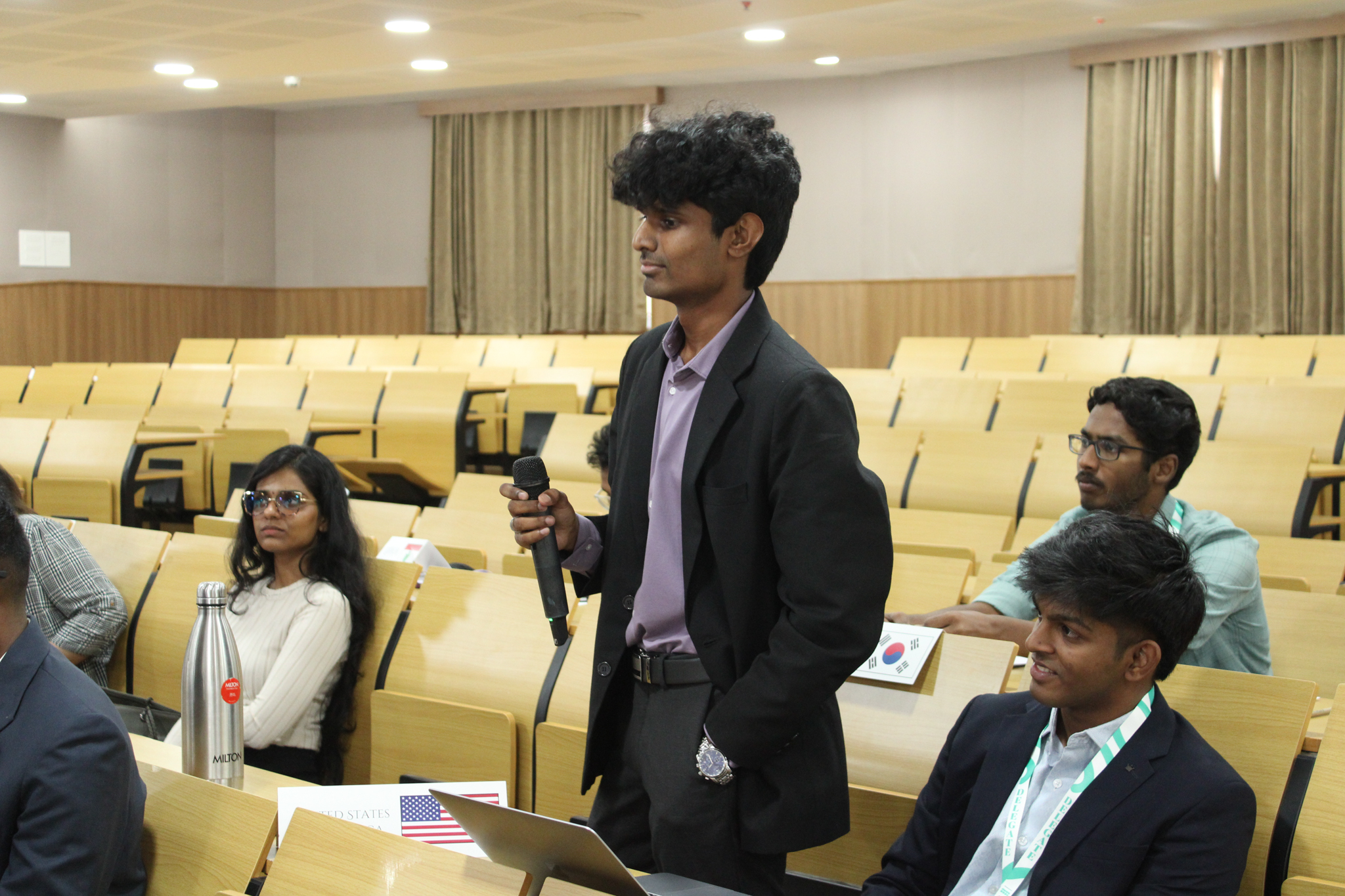
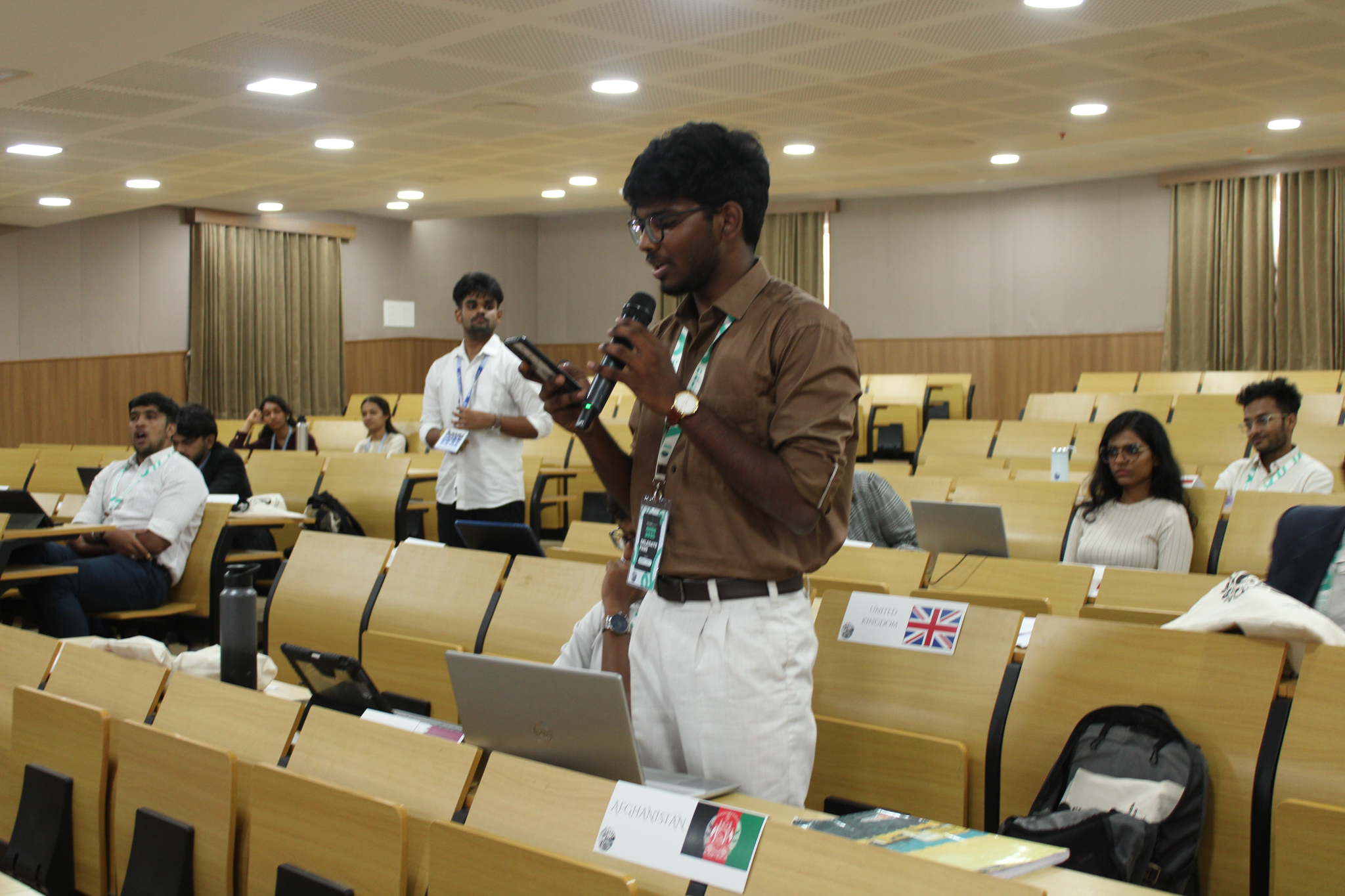
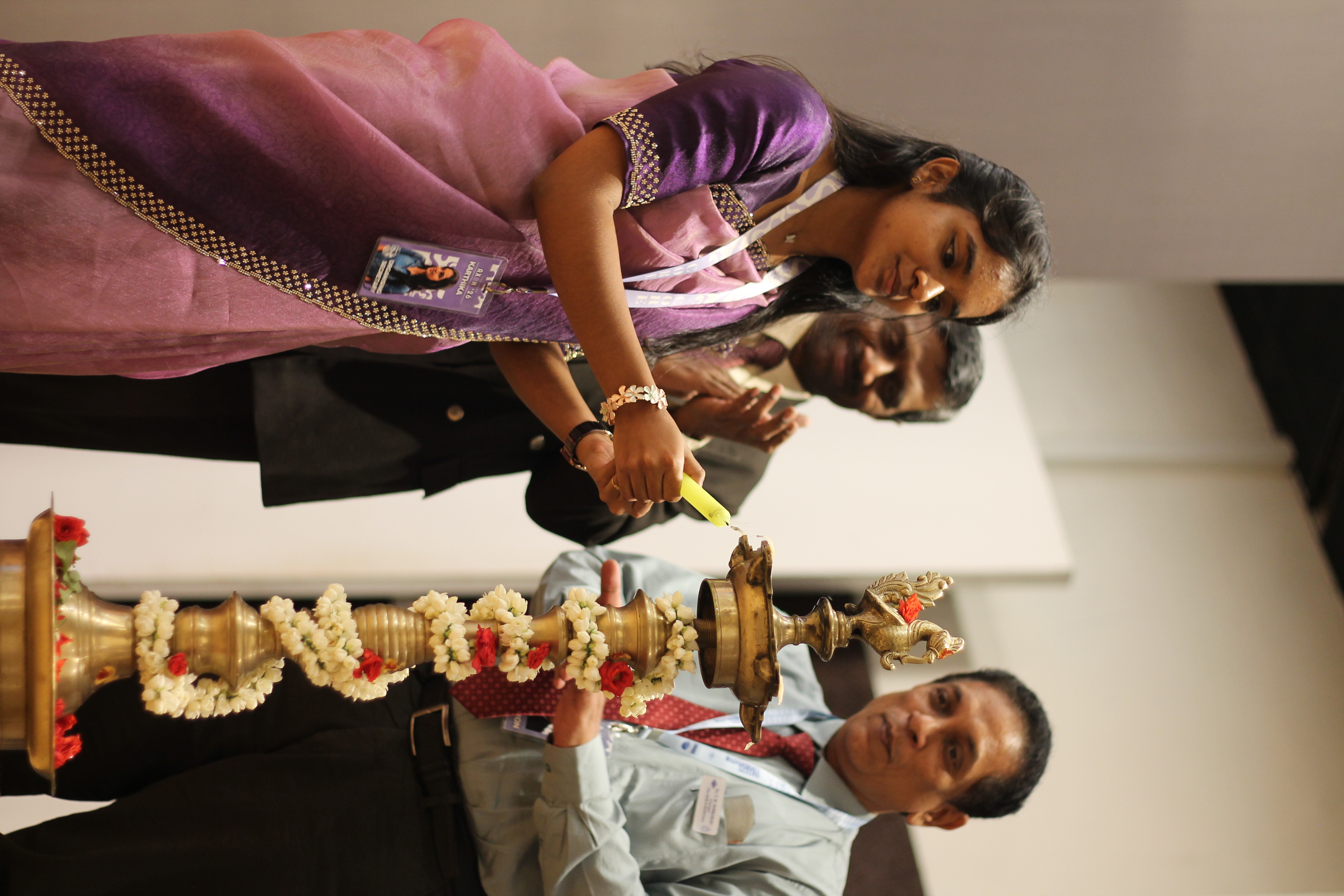
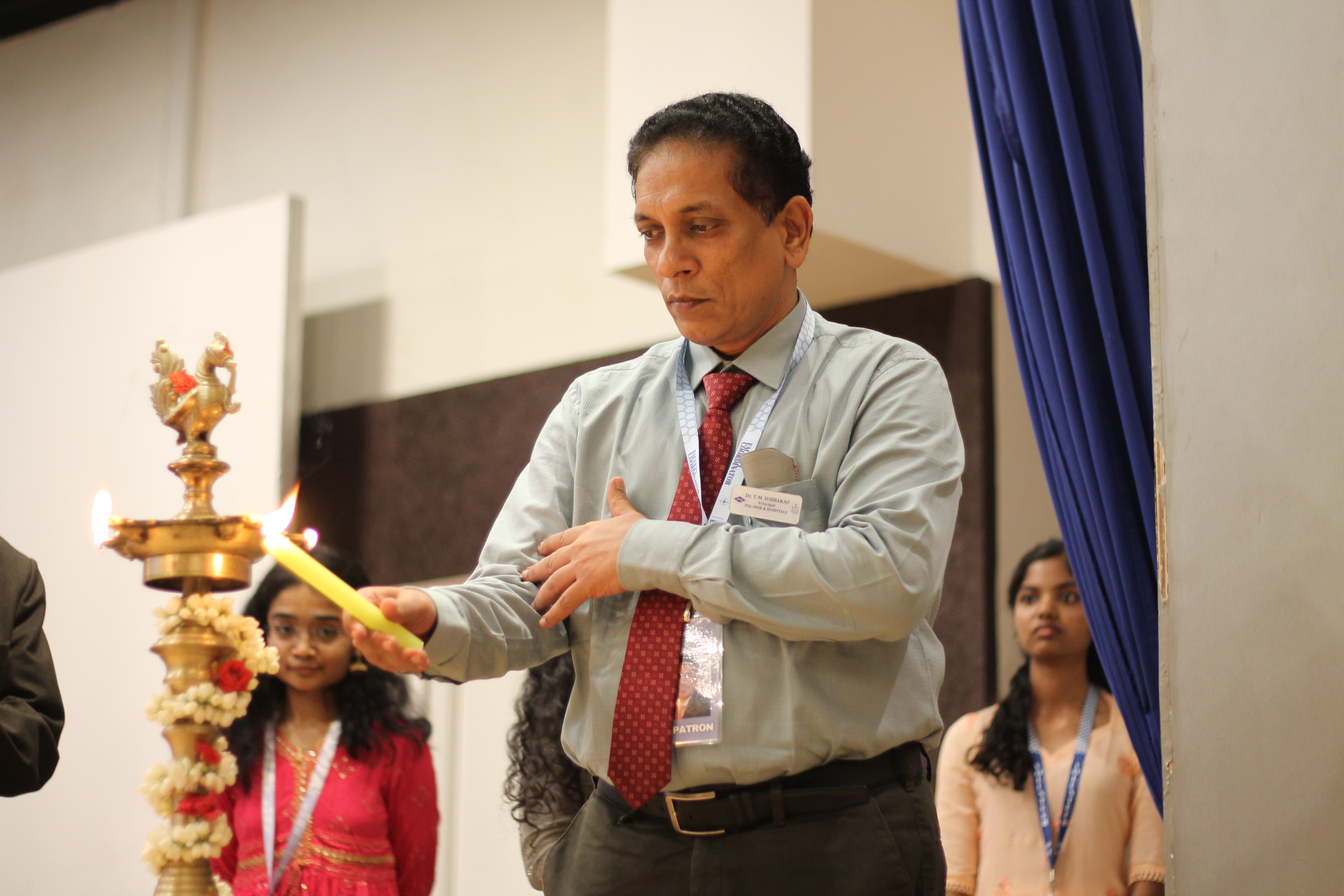
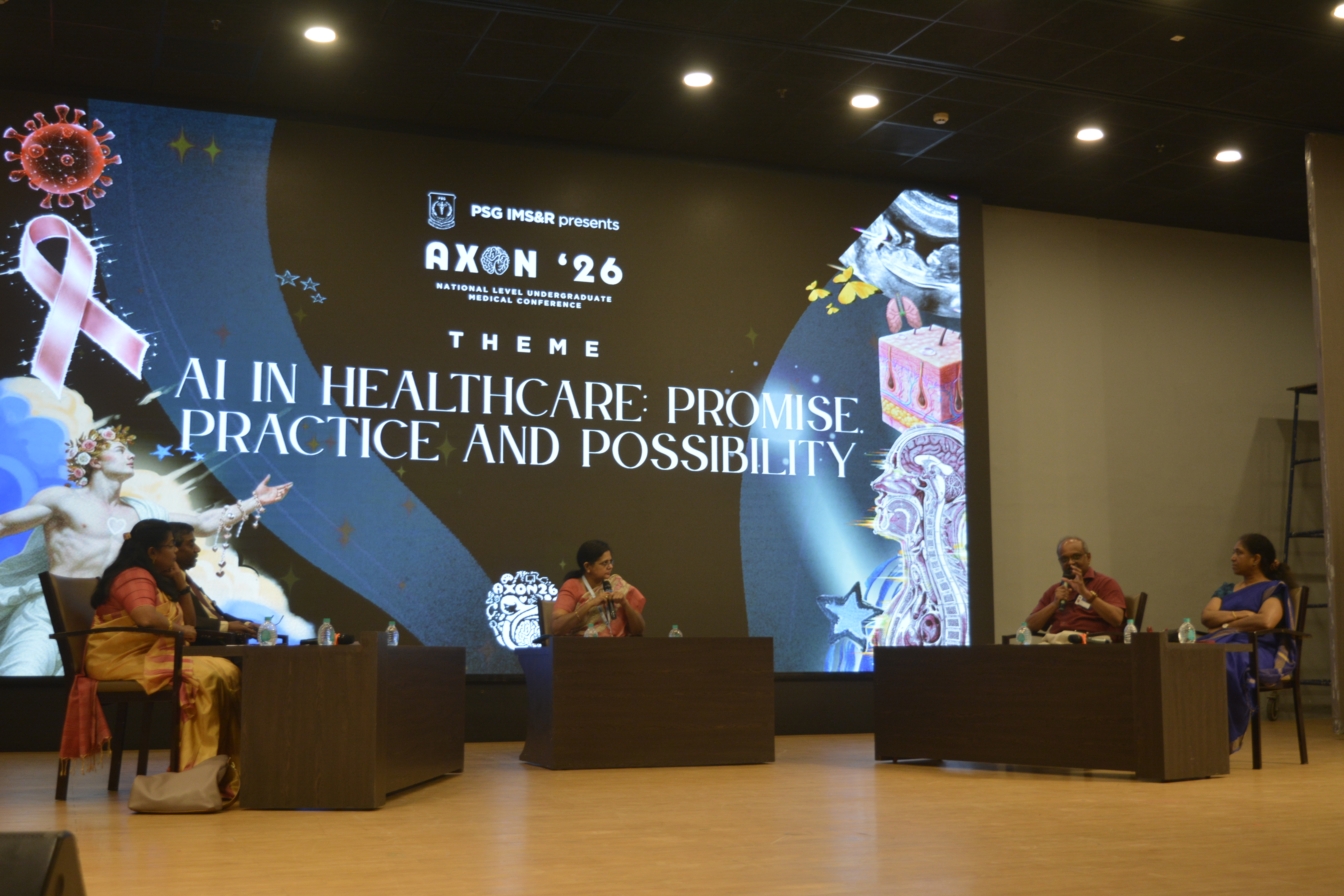
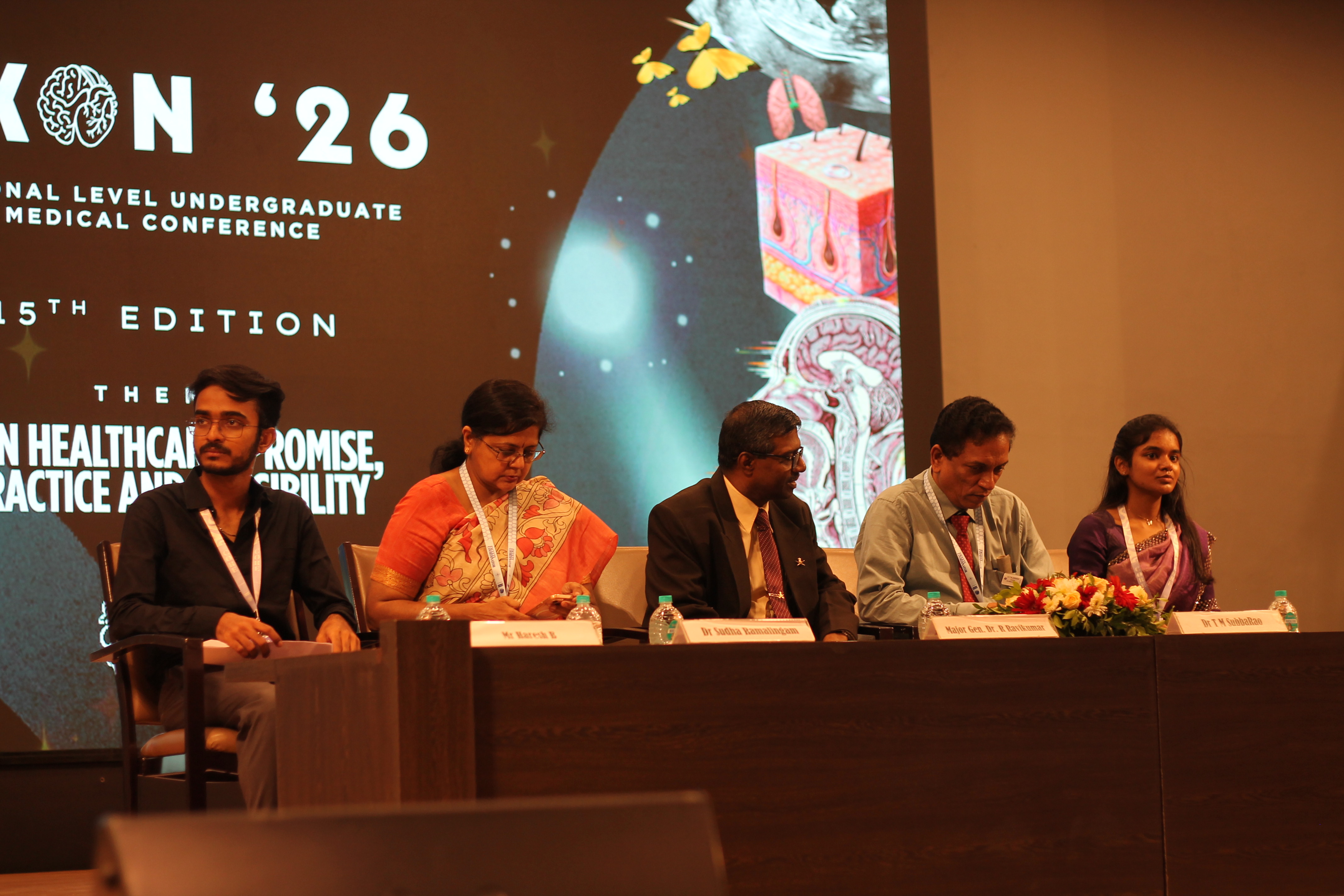
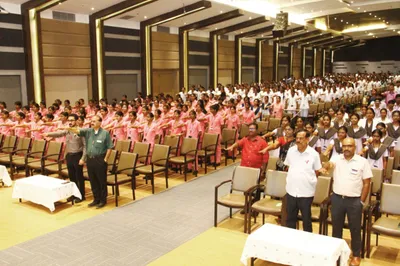
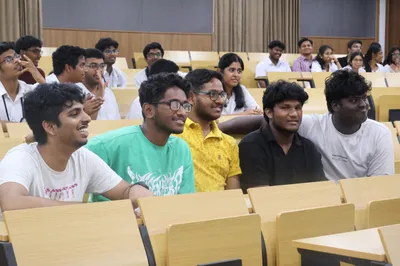
The 15th edition of AXON, the flagship national intercollegiate medical conference of PSG Institute of Medical Sciences and Research, returned with a renewed vision and an expanded platform for academic excellence, innovation, and collaboration. Centered on the theme, “Redefining Care: Medicine in the Age of Innovation,” AXON 15 brought together medical students from across the country to explore the rapidly evolving landscape of healthcare.
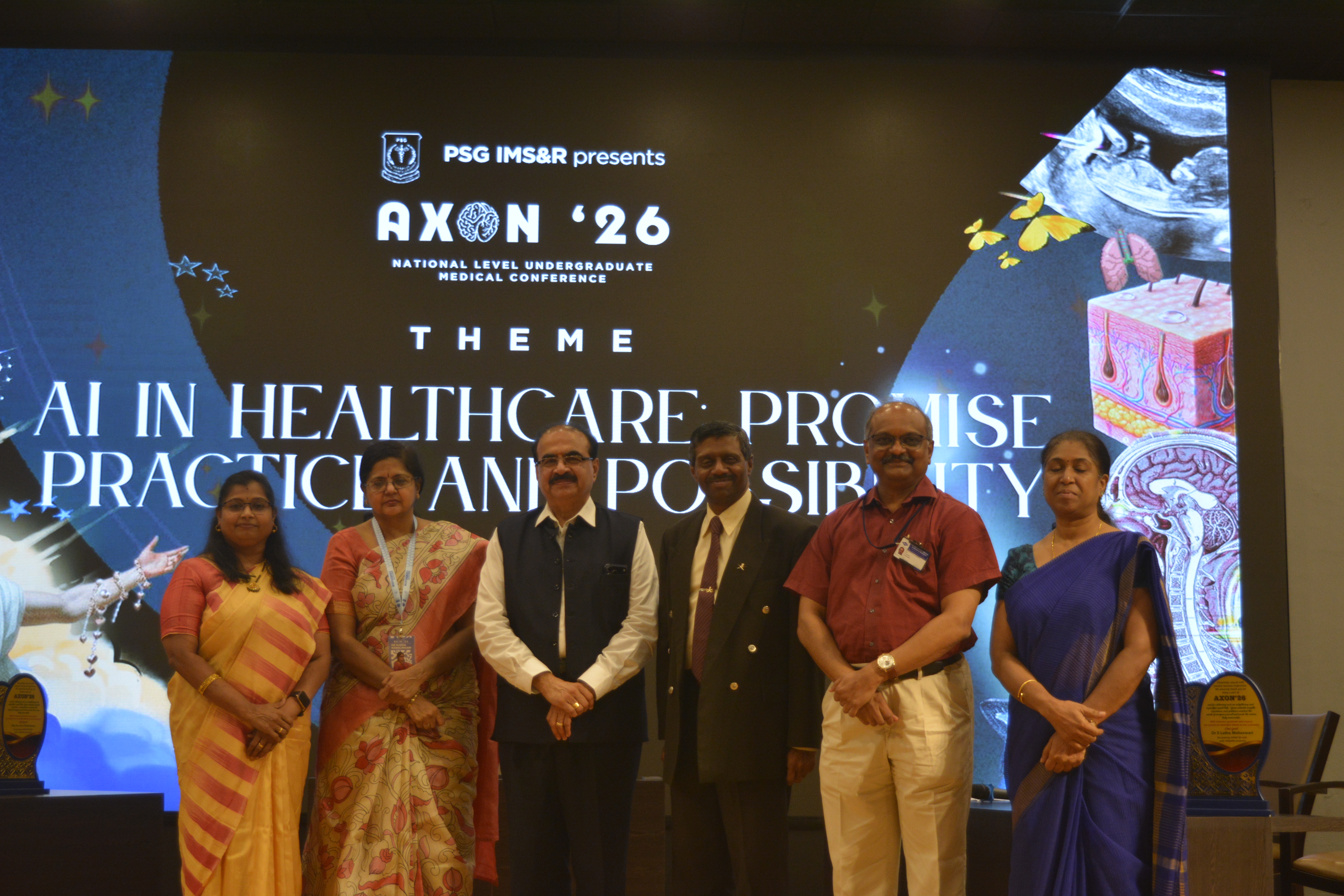
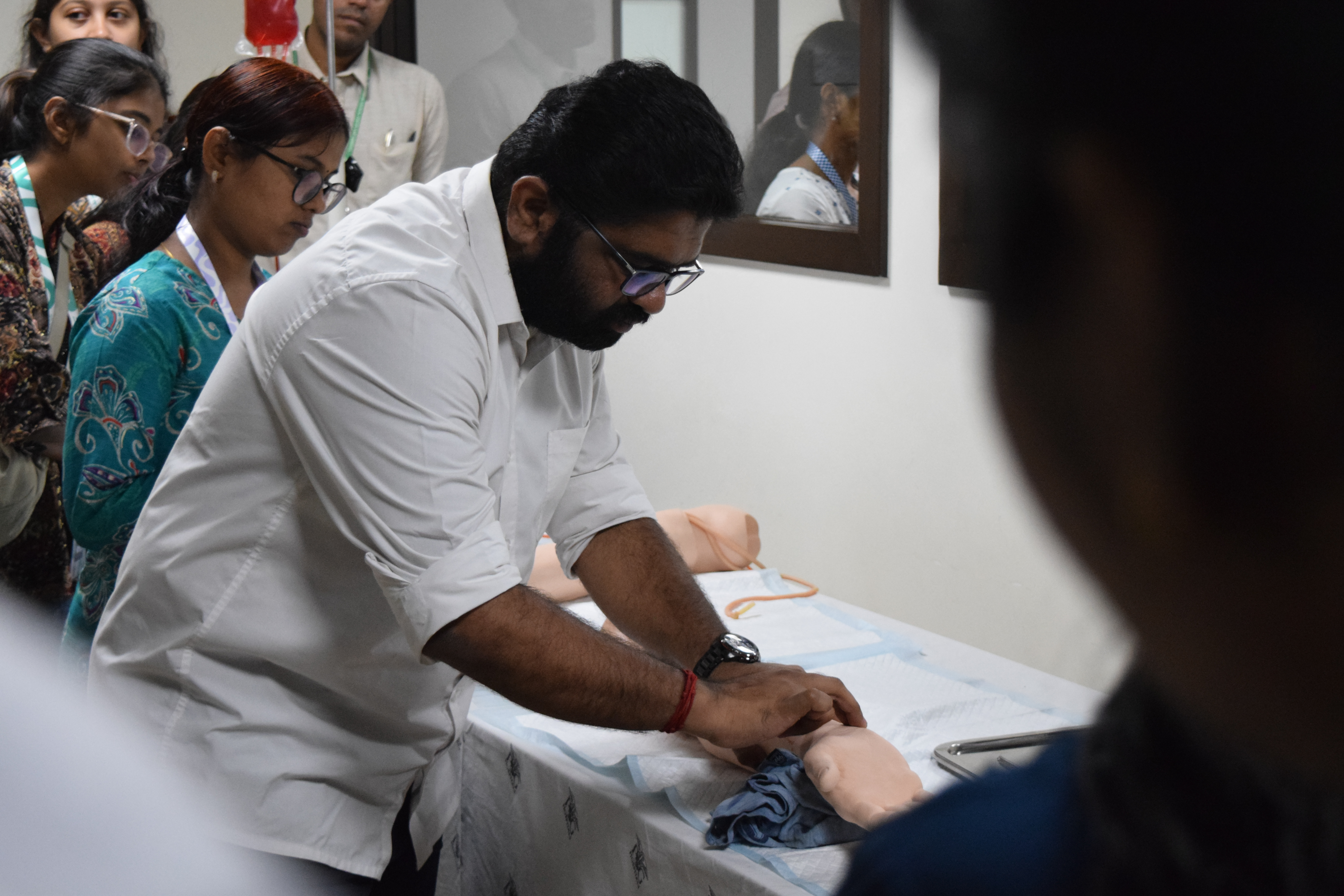
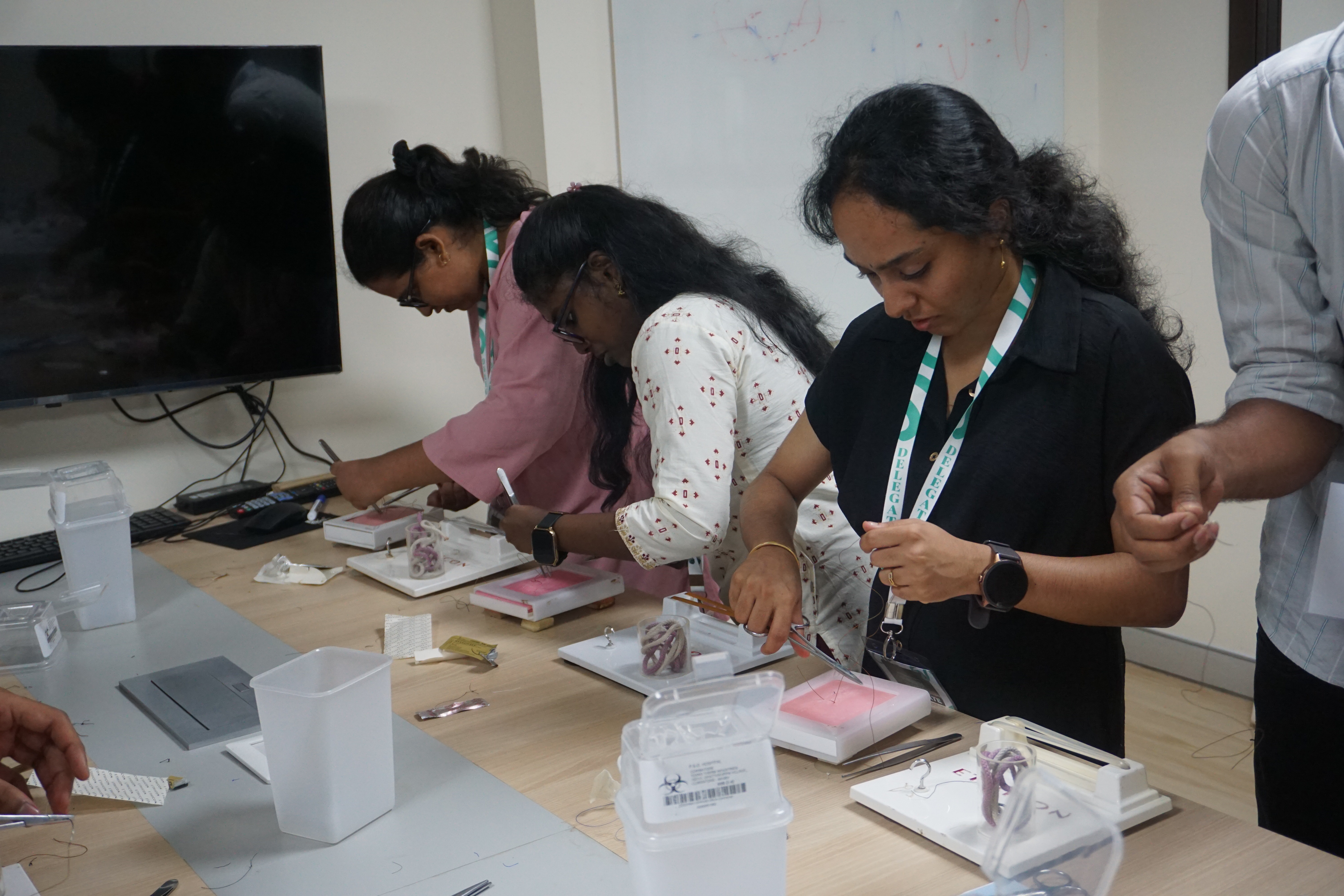
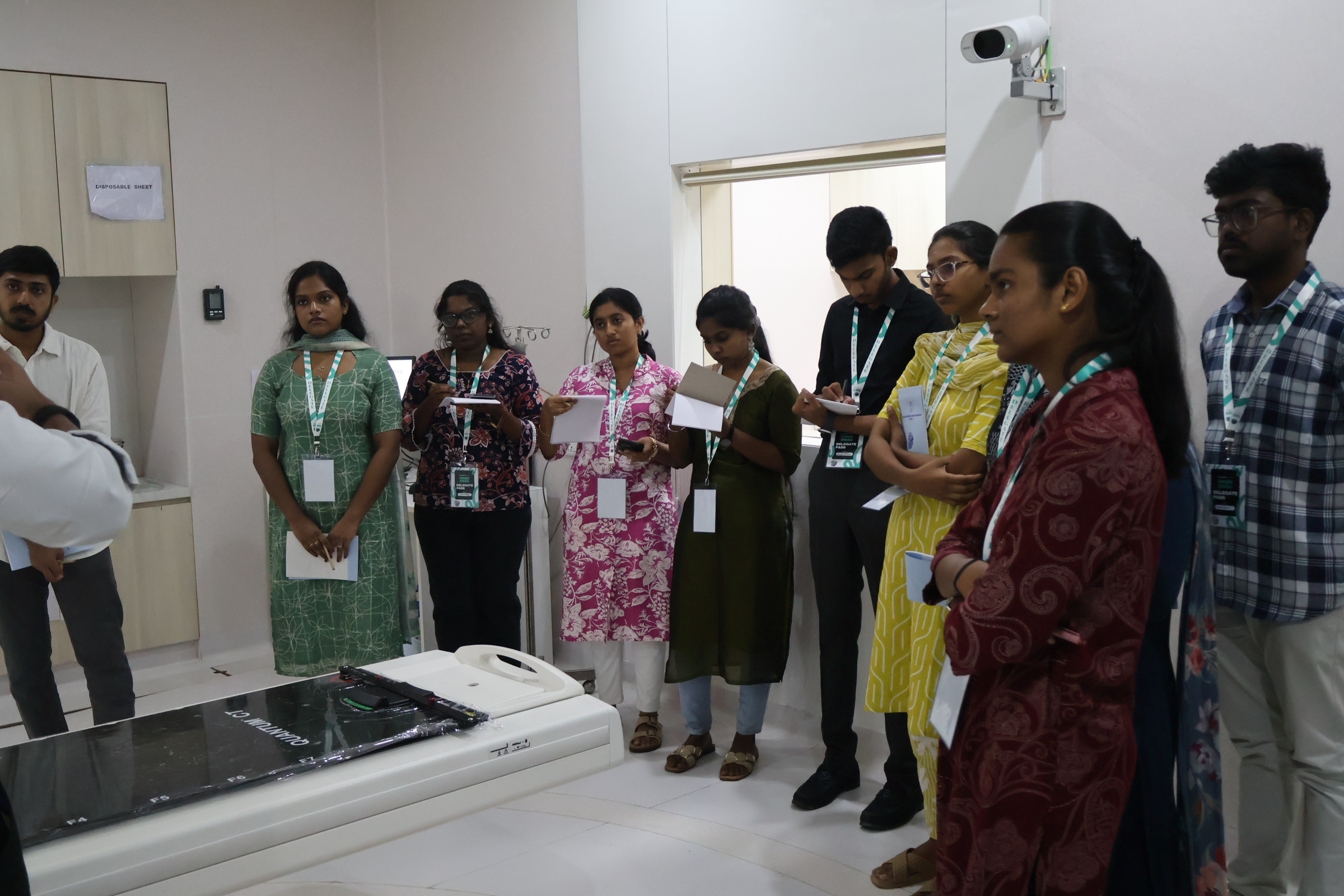
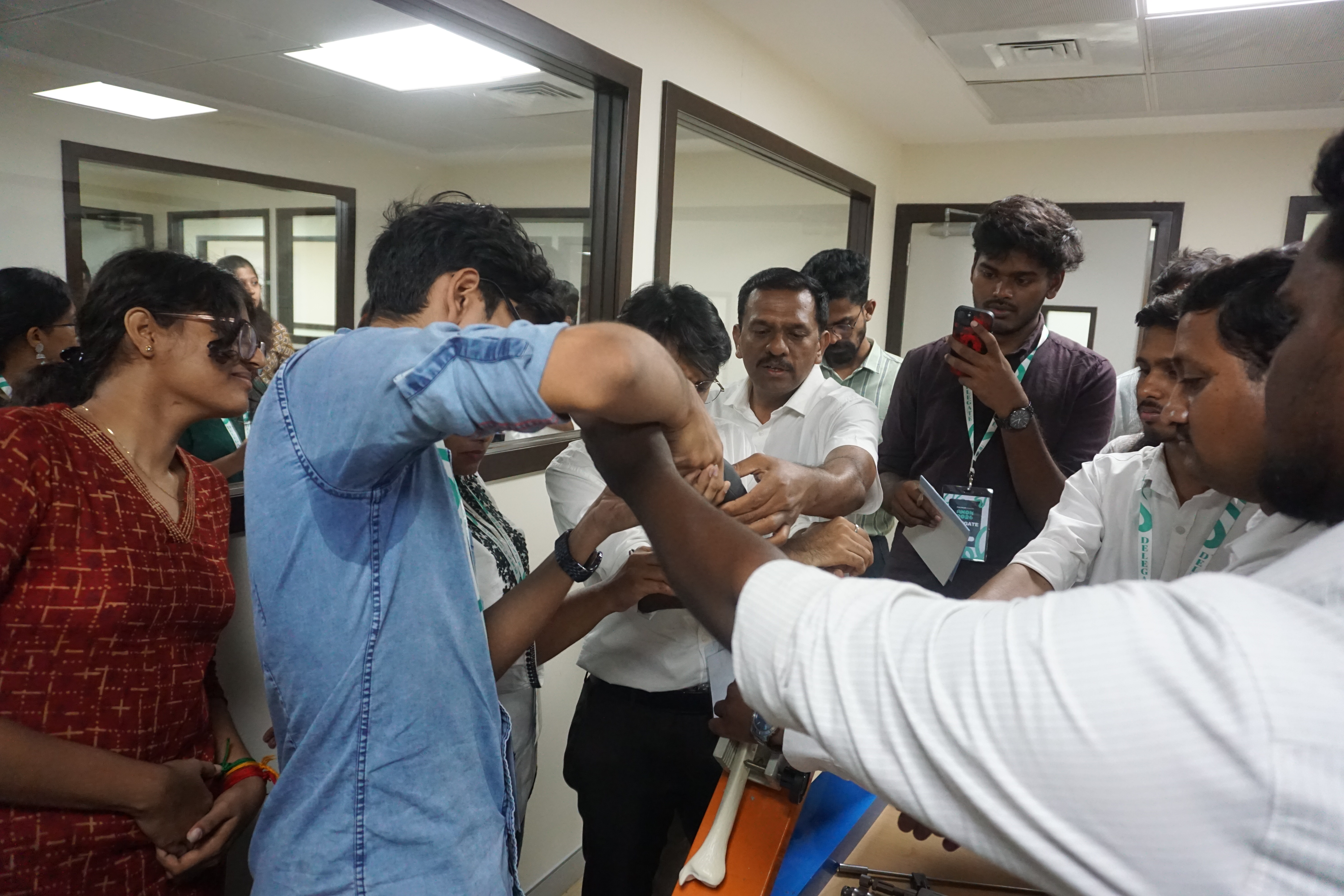
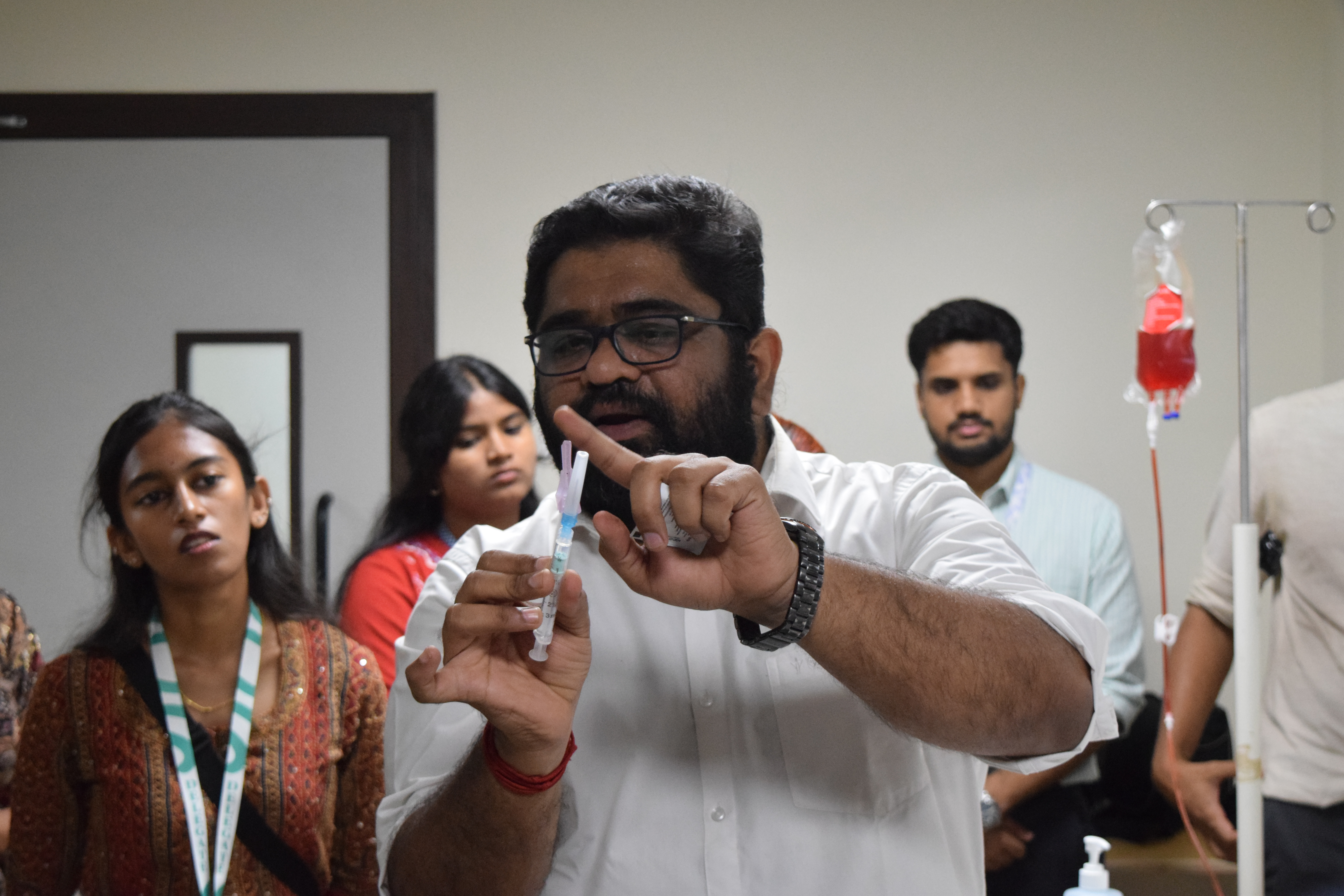
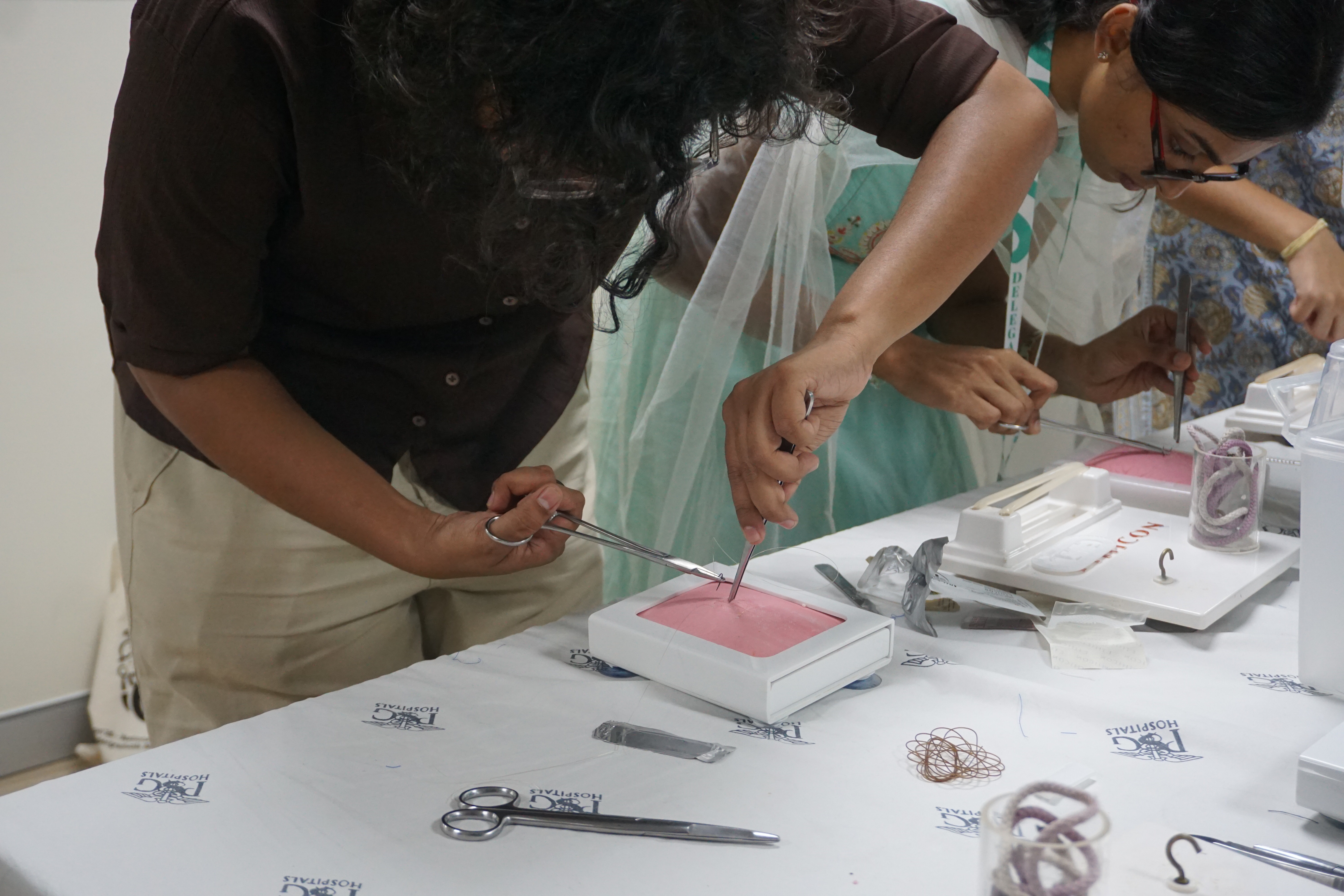
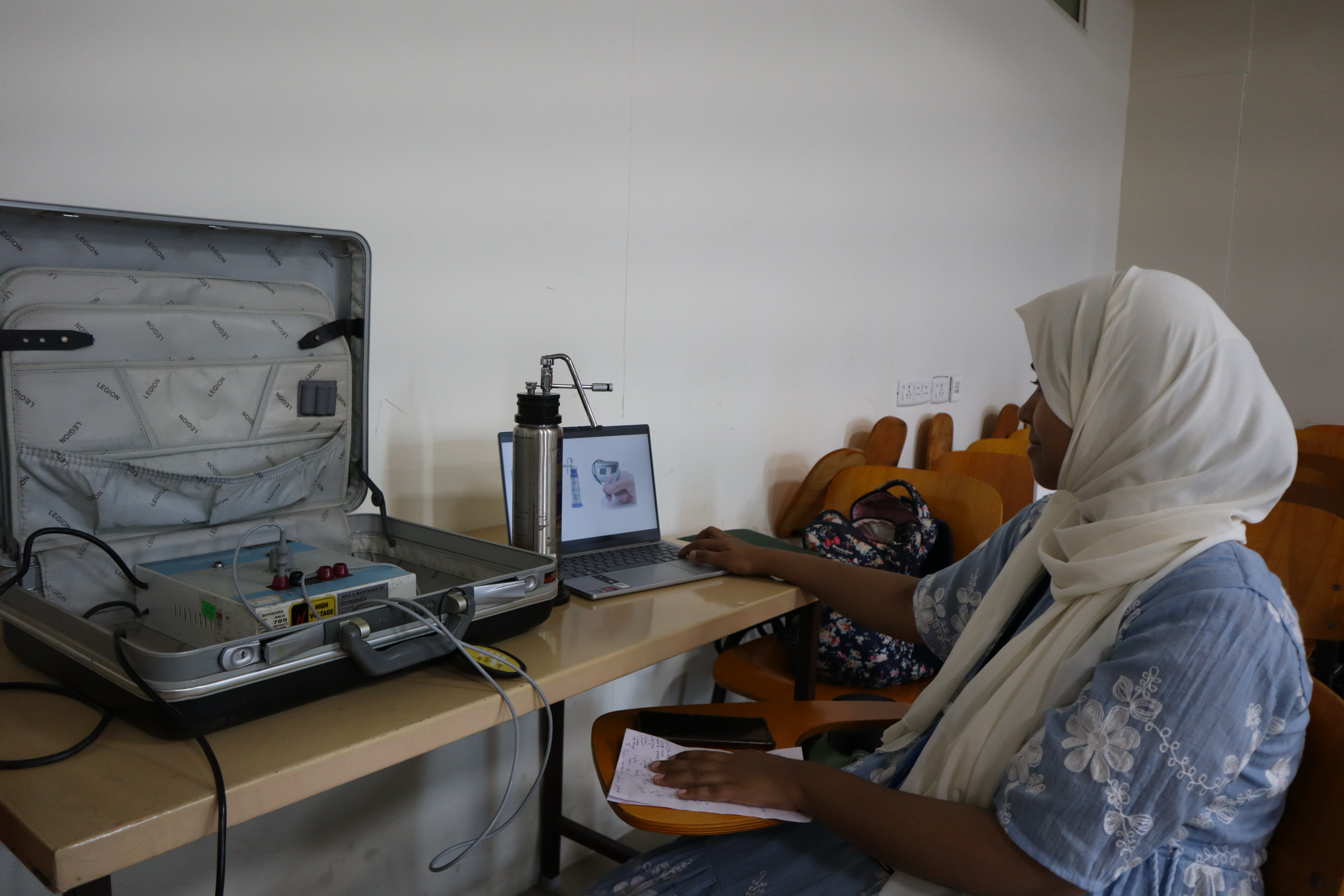
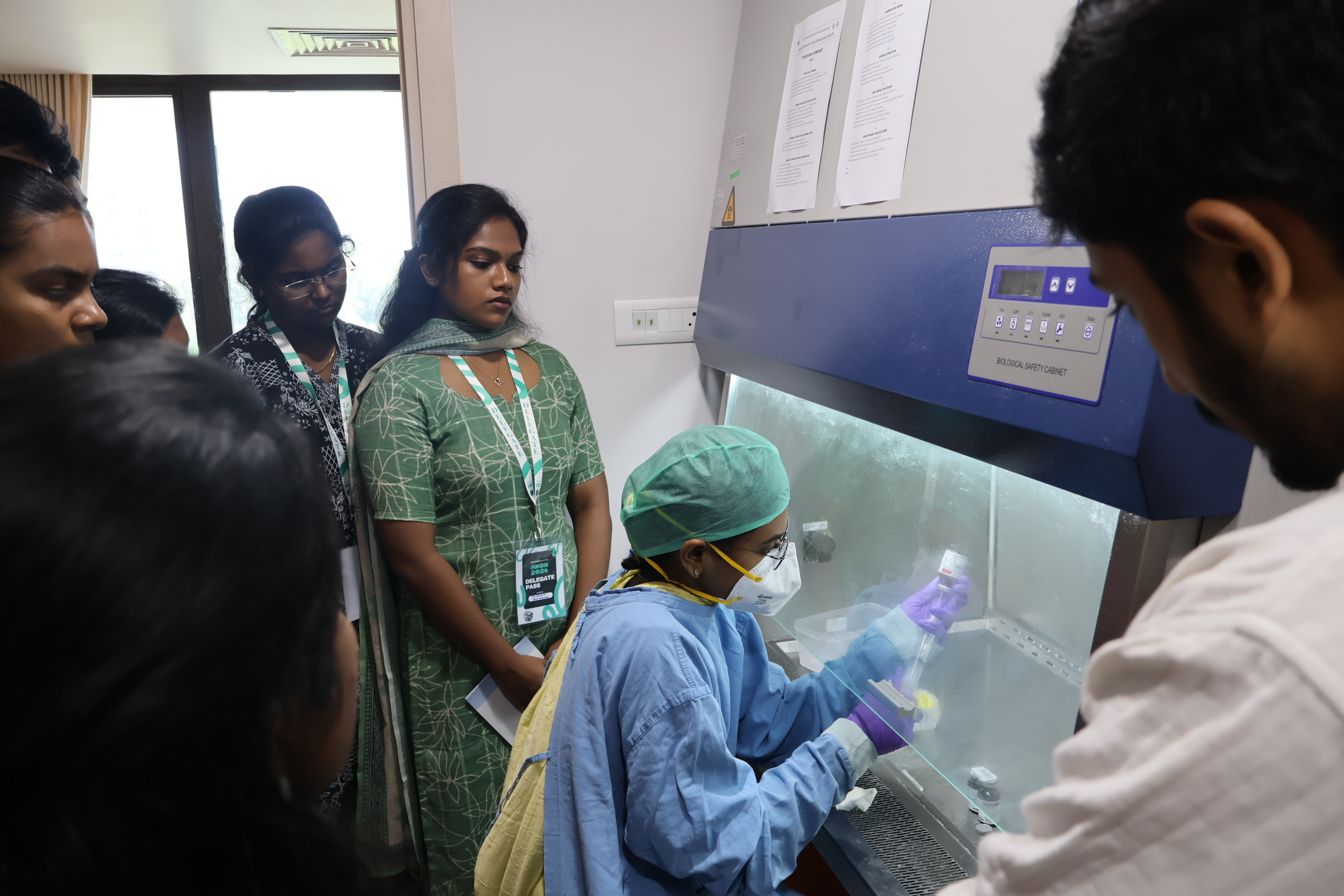
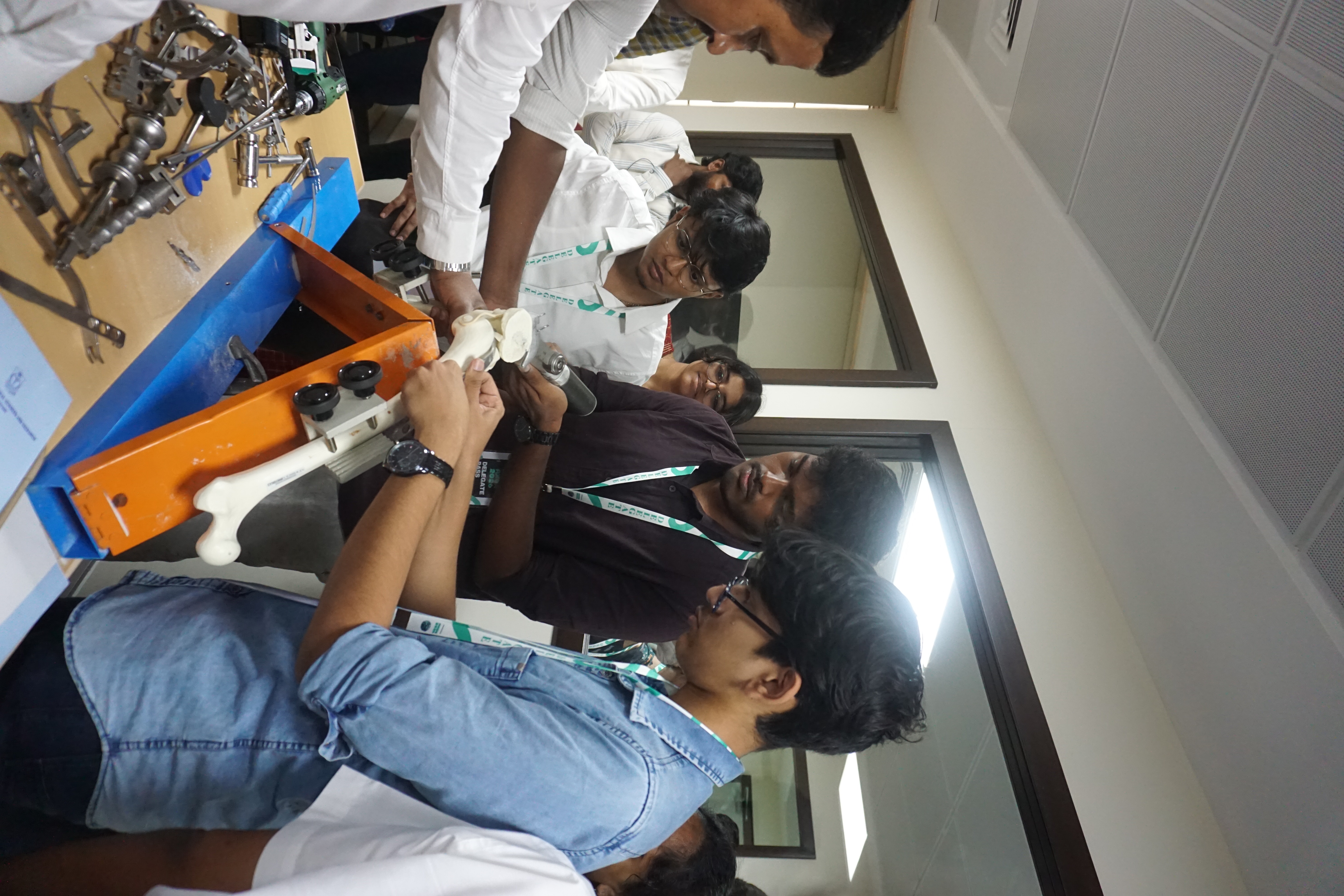
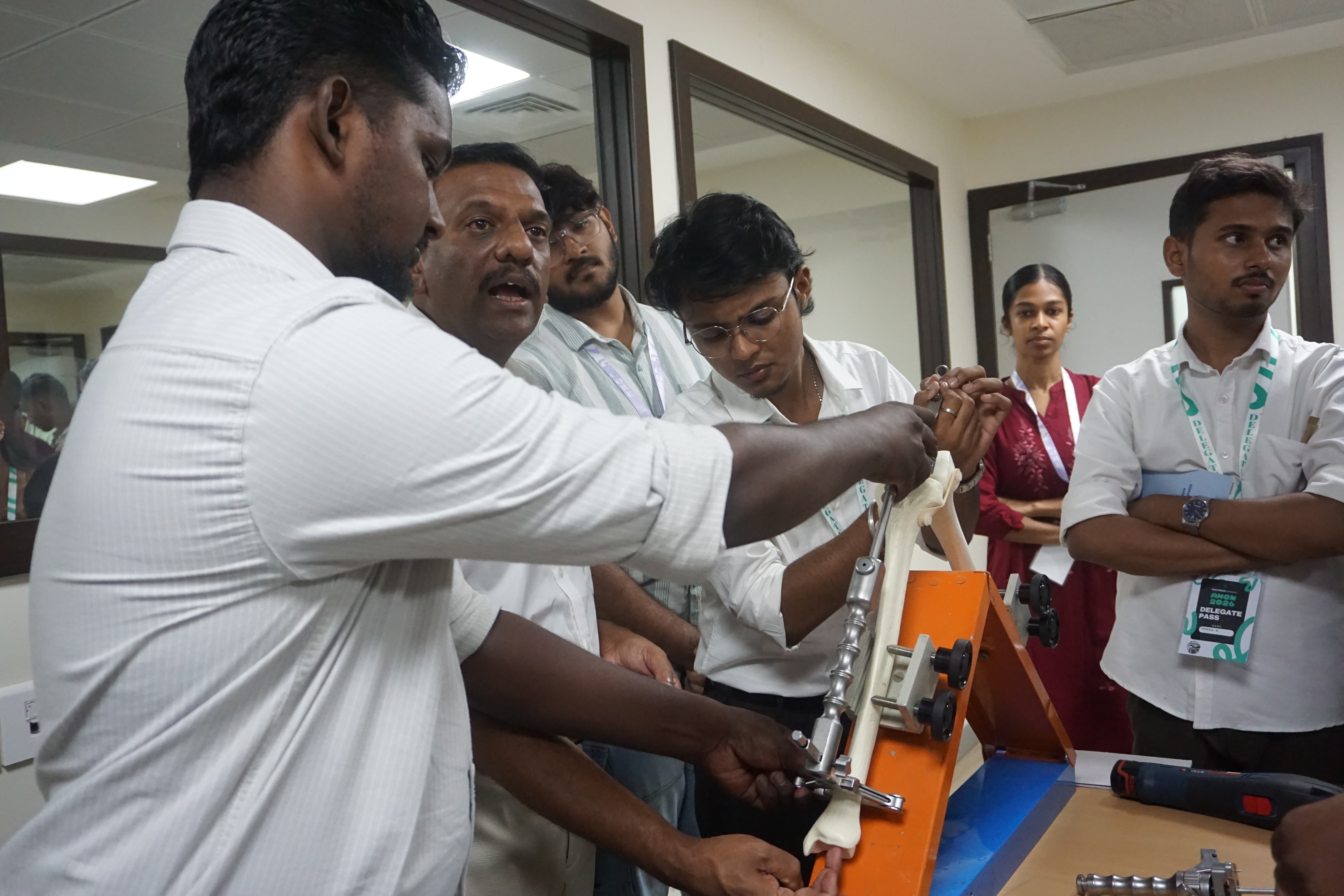
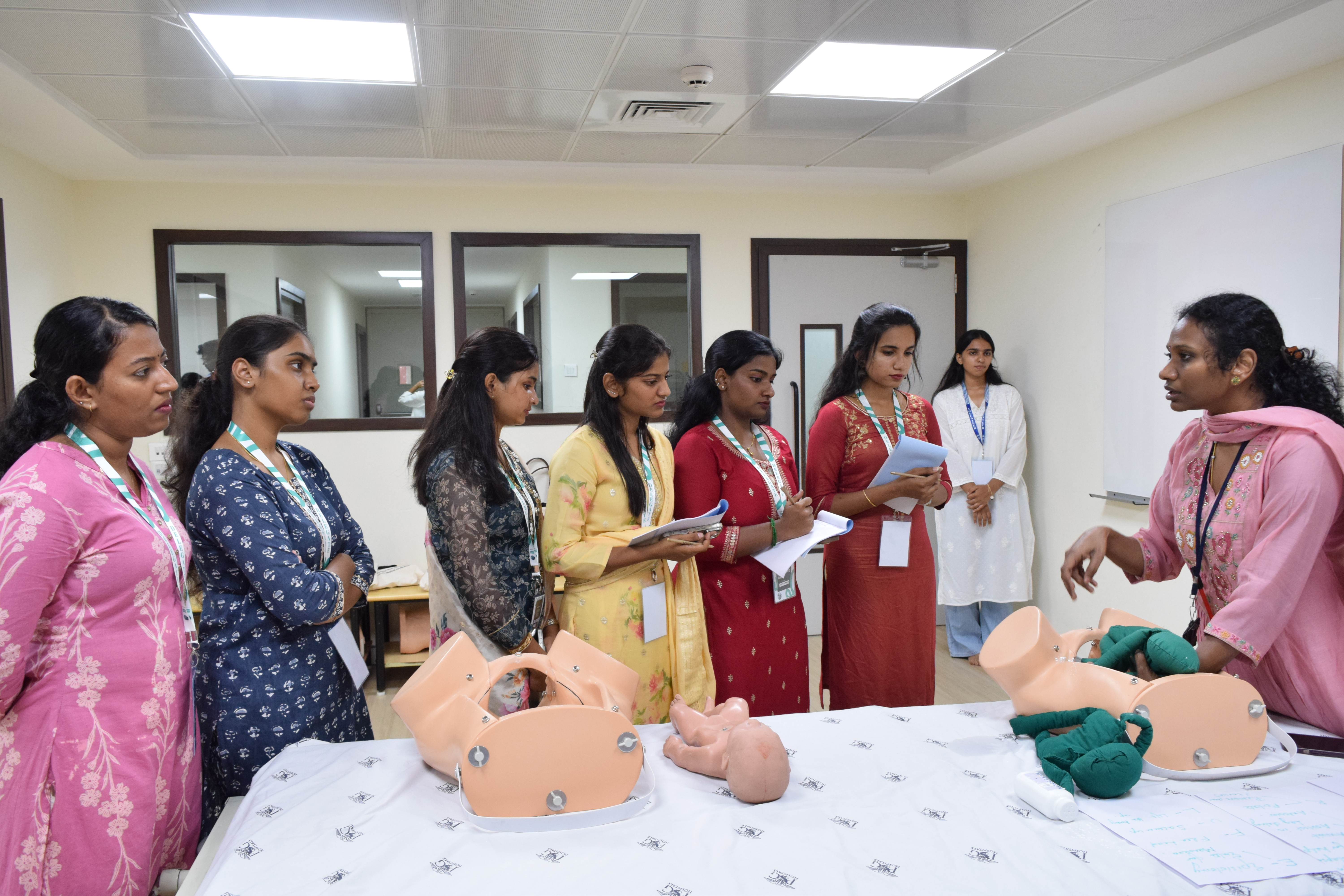
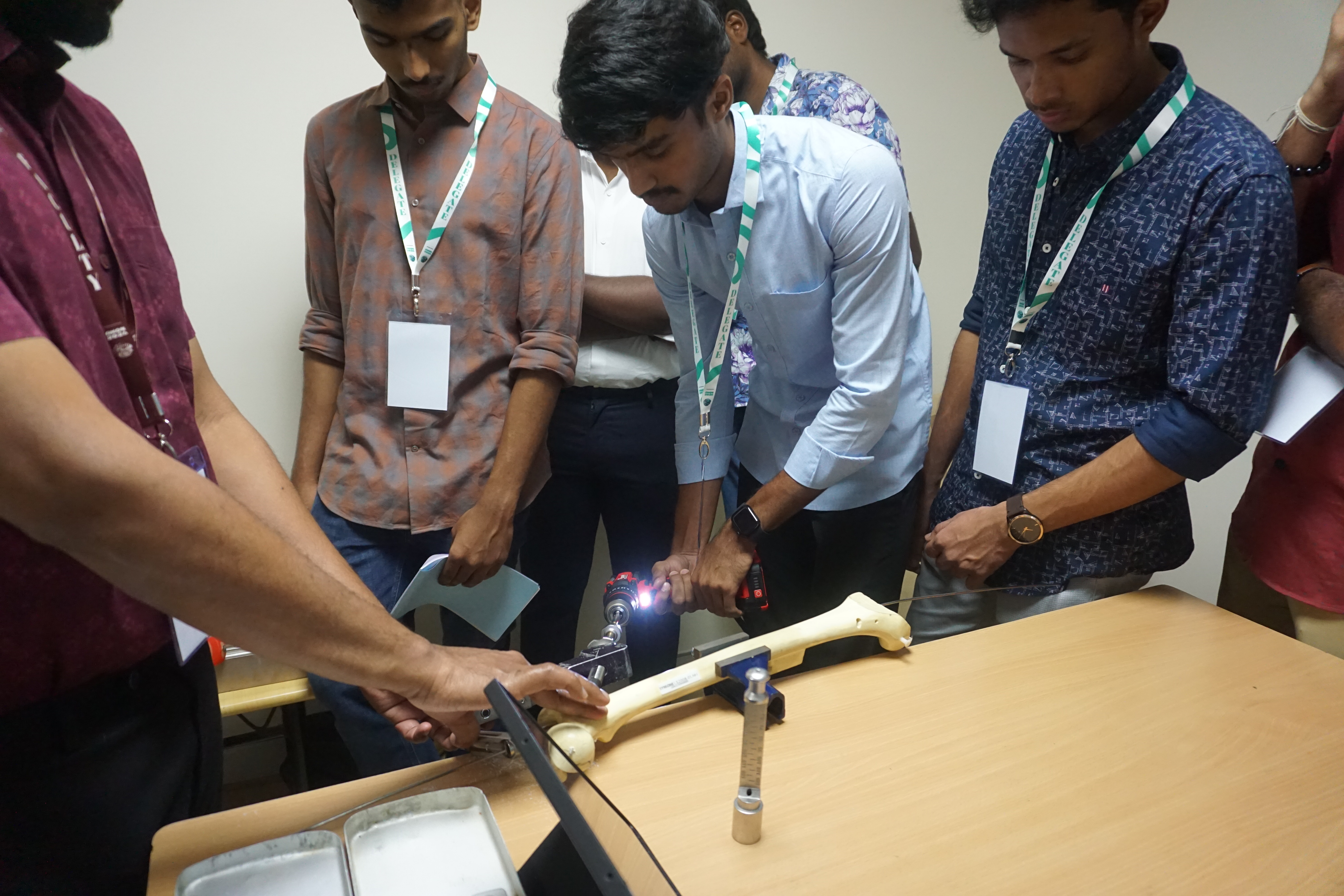
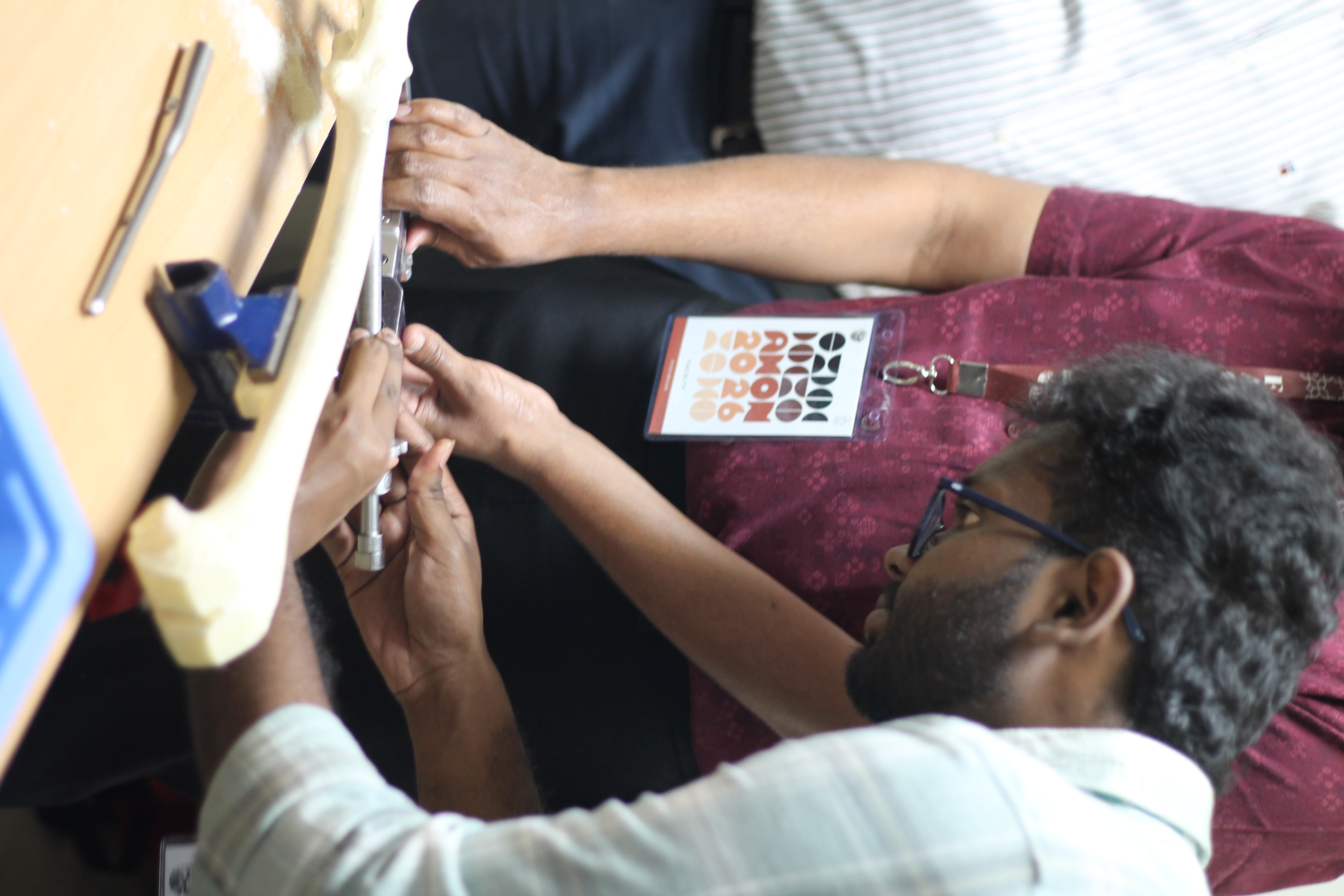
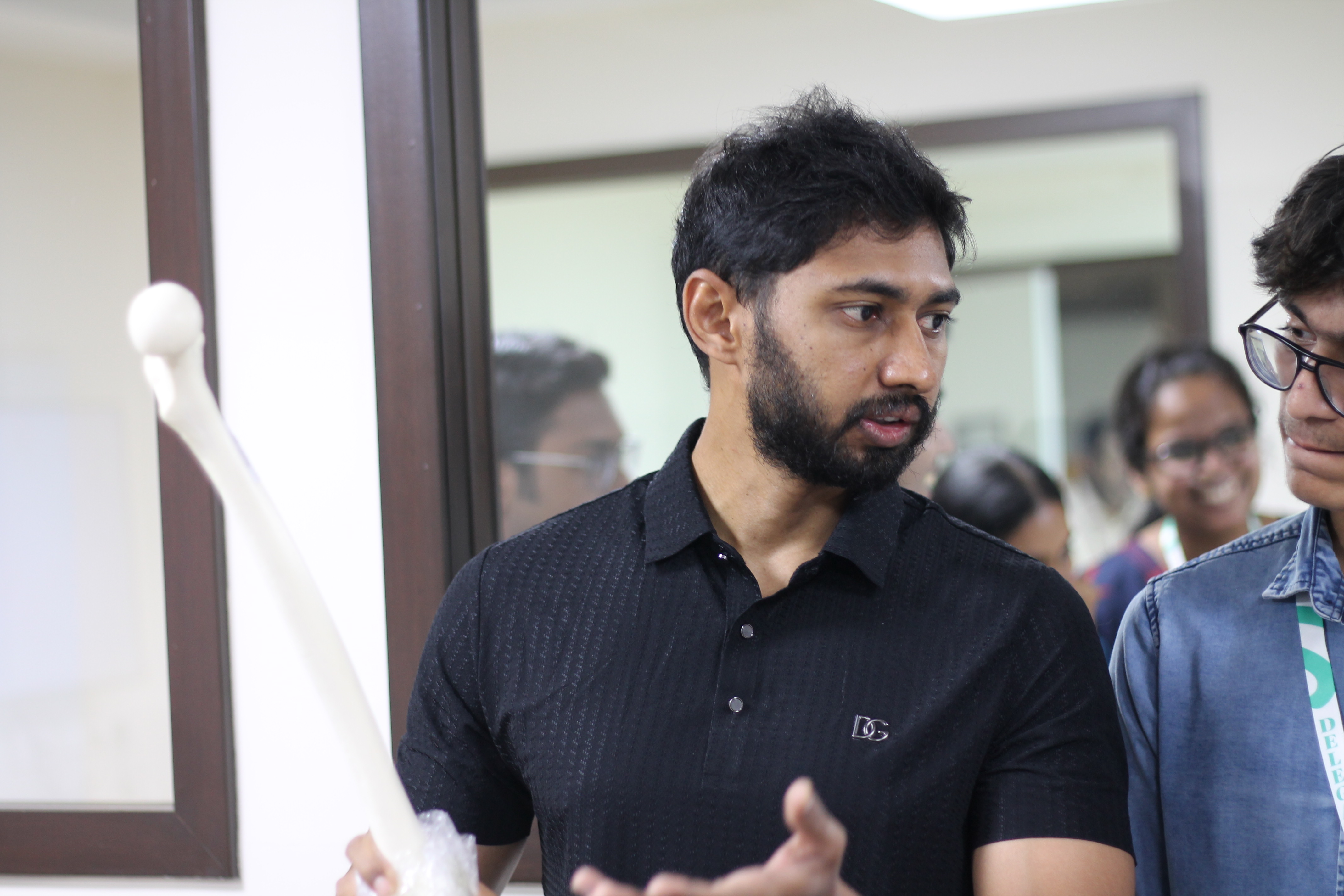
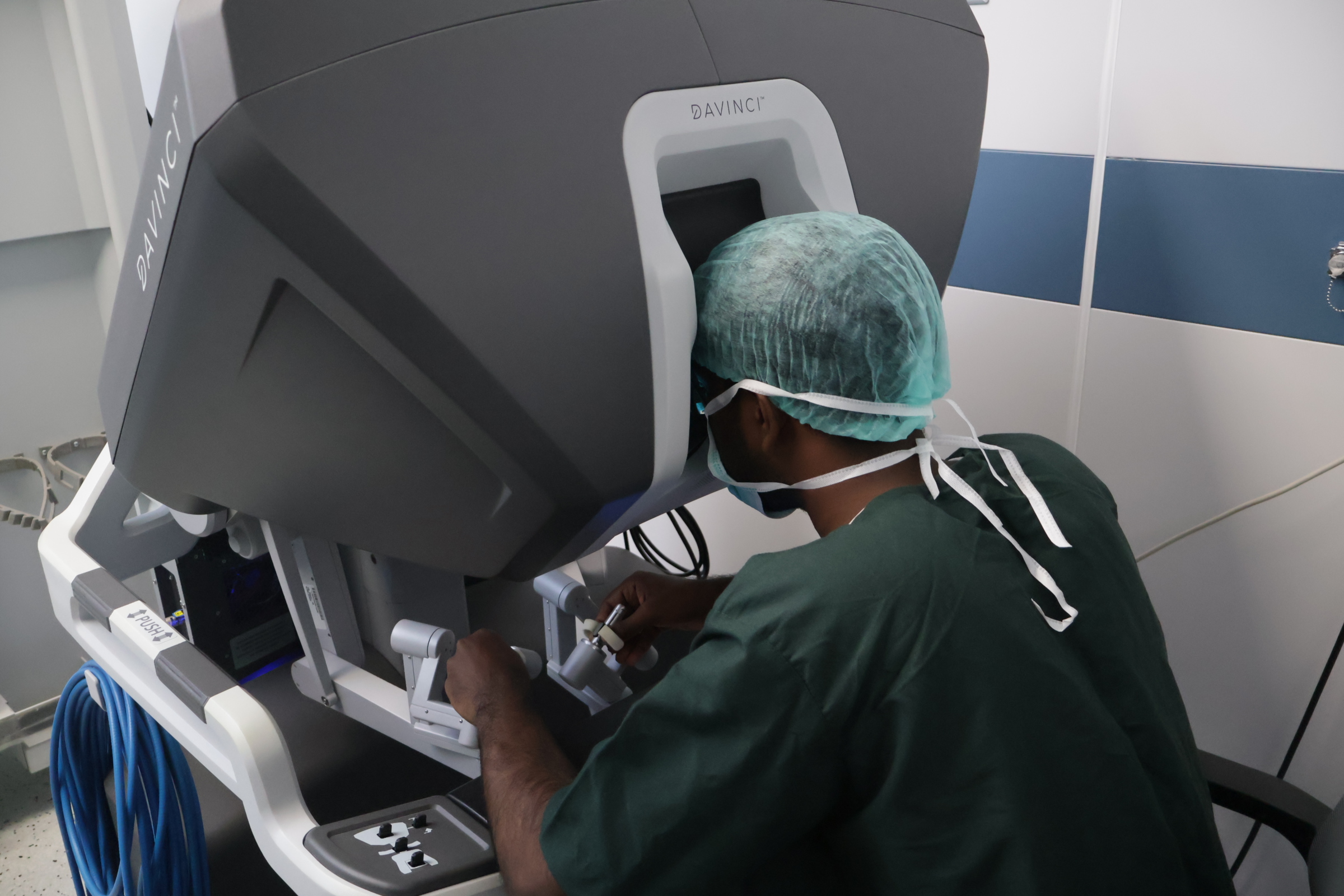
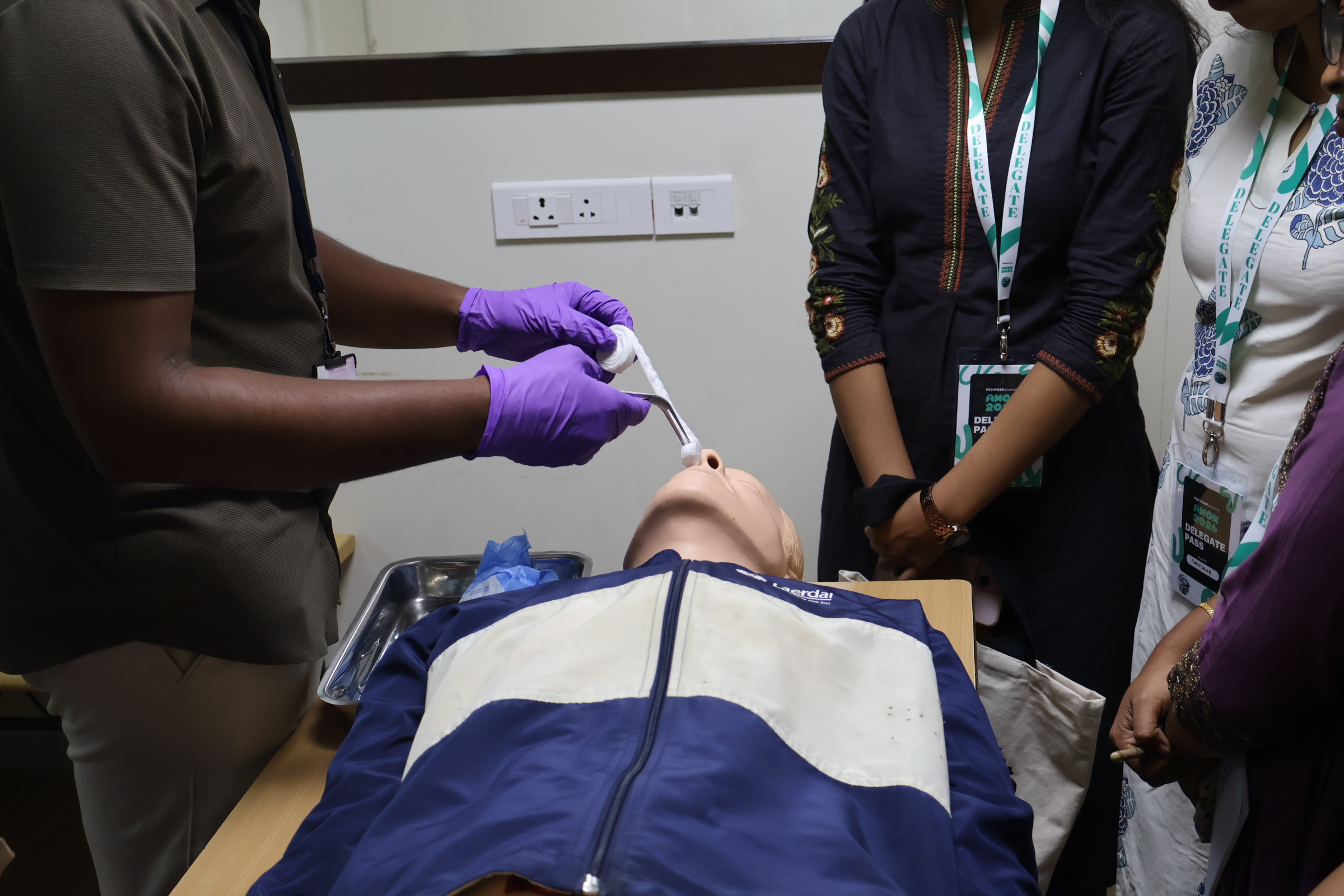
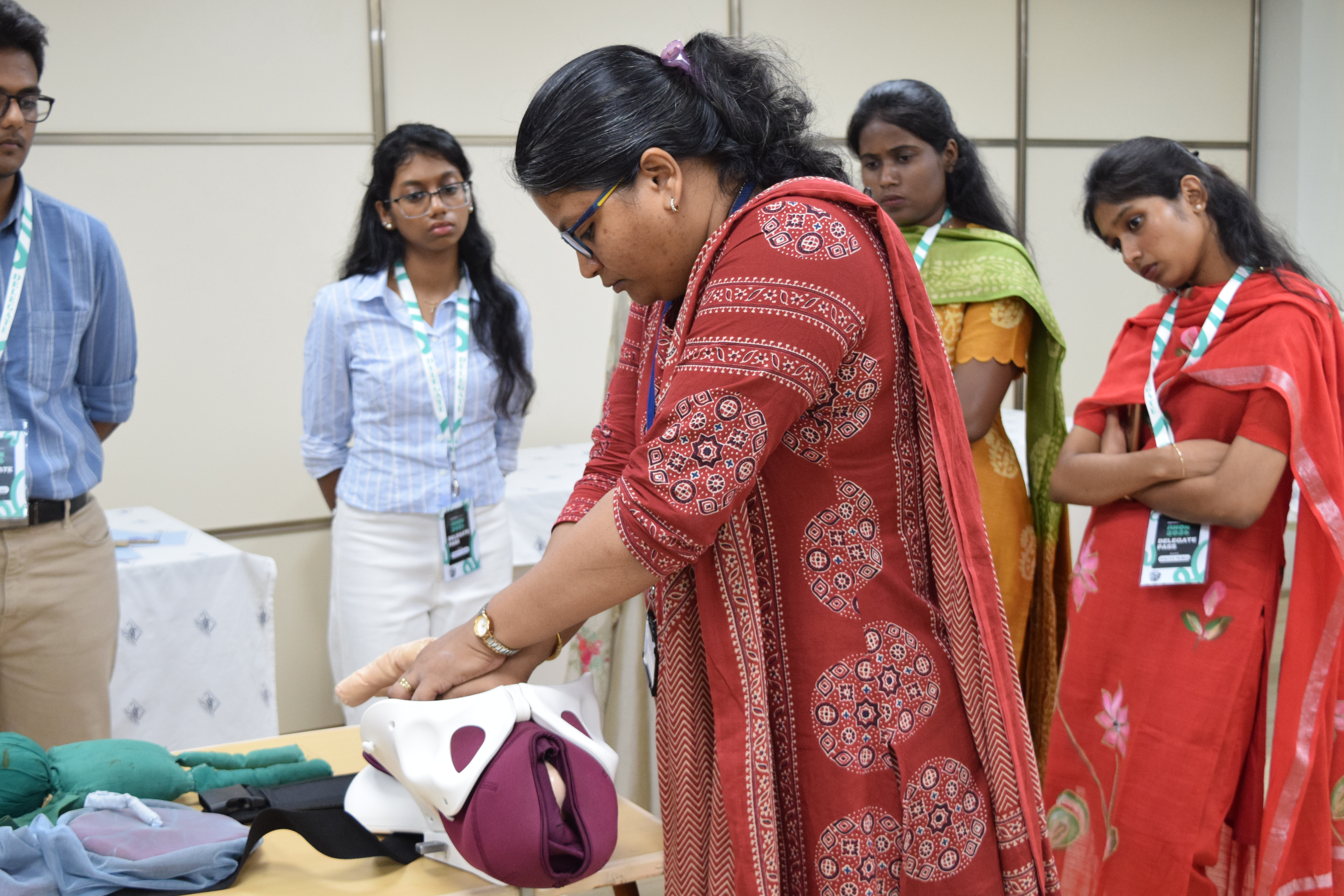
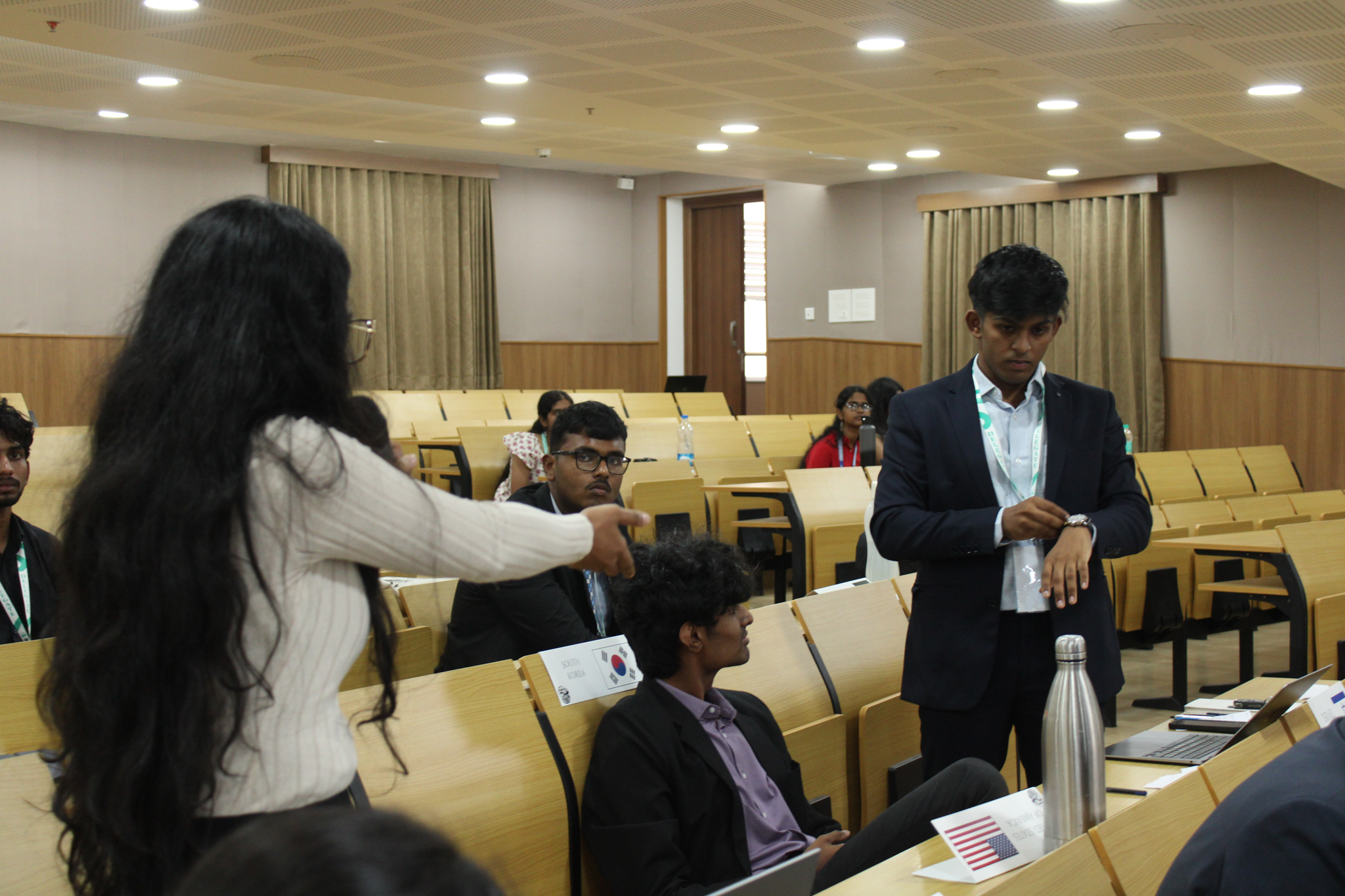
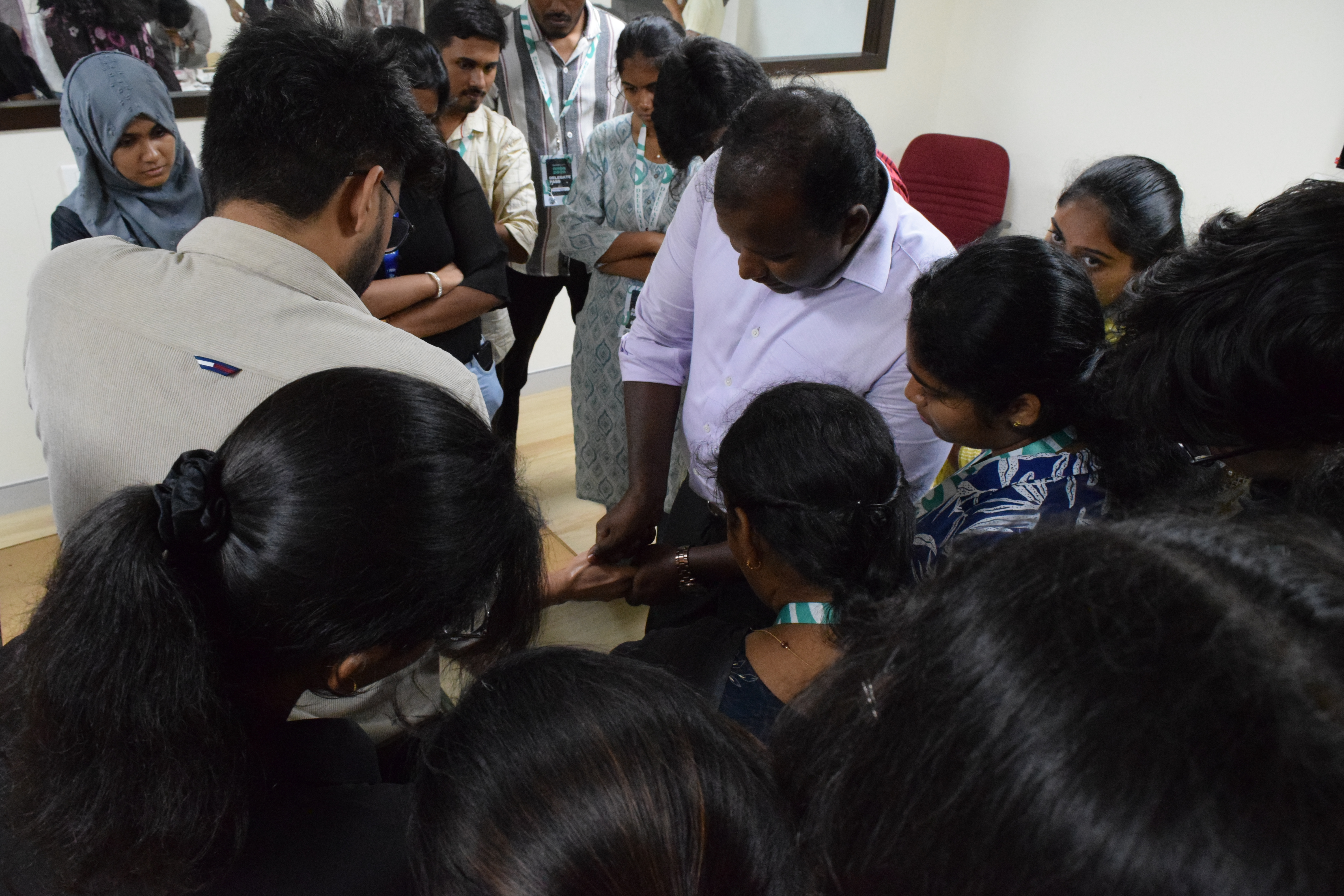
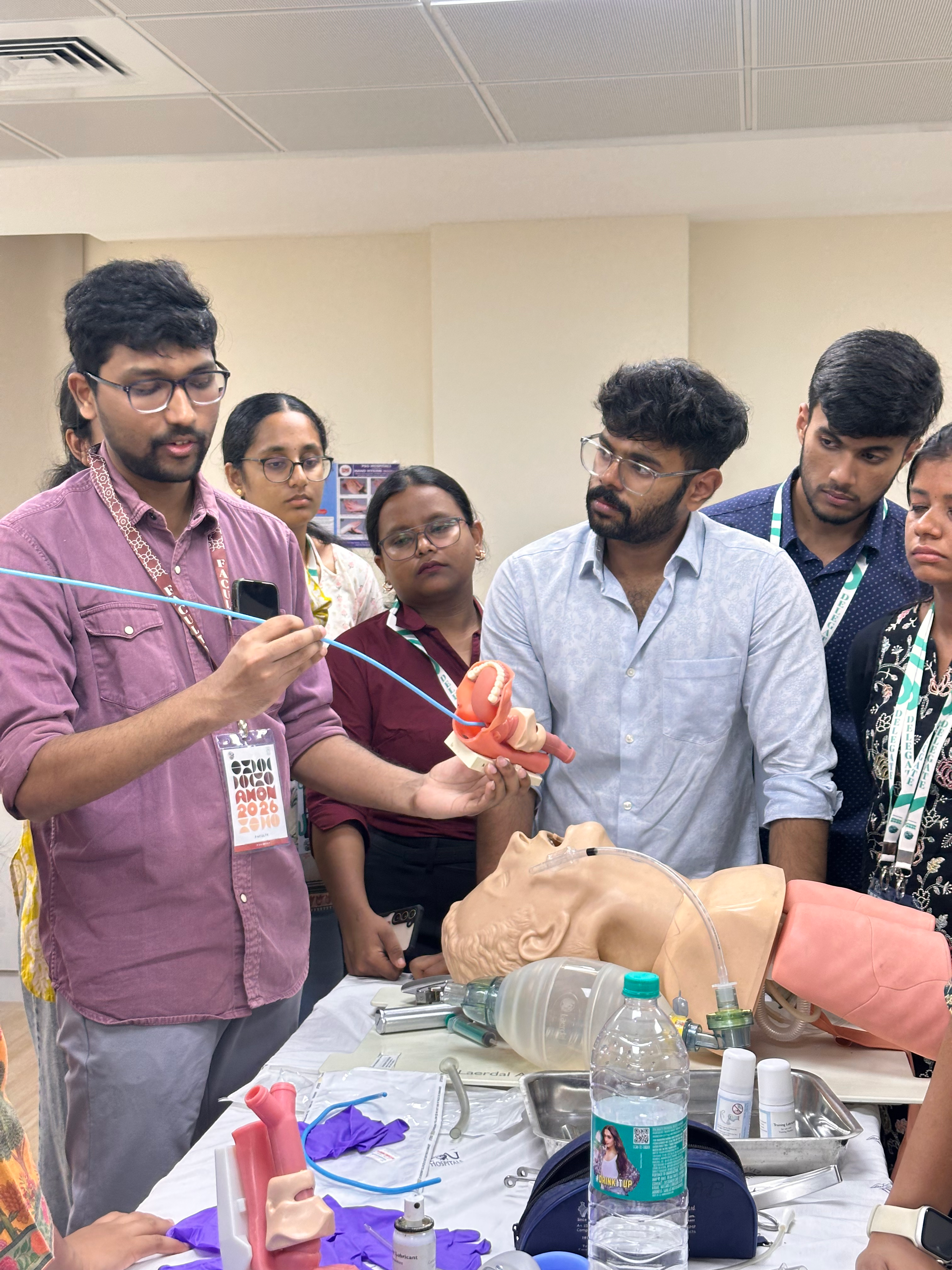
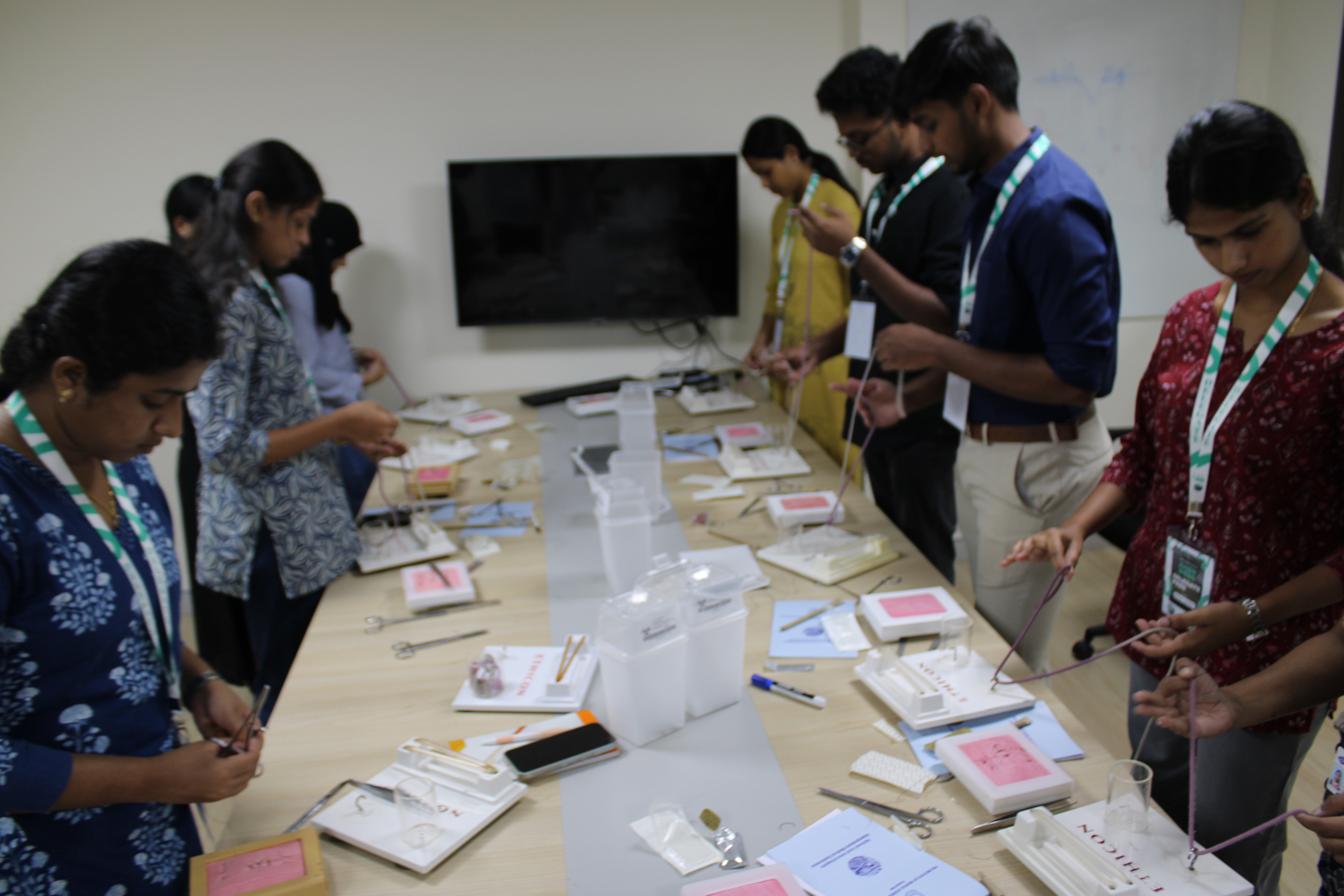
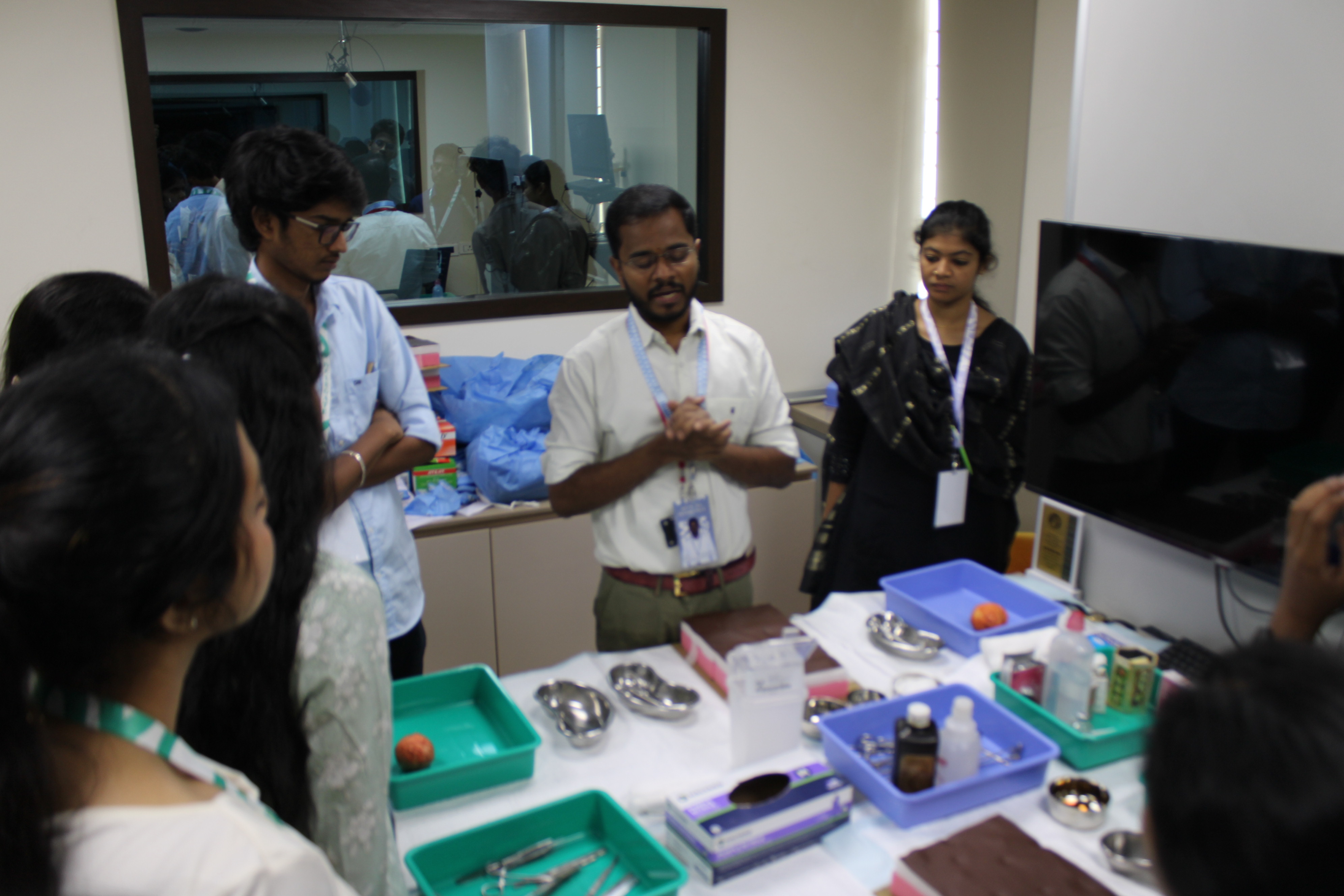
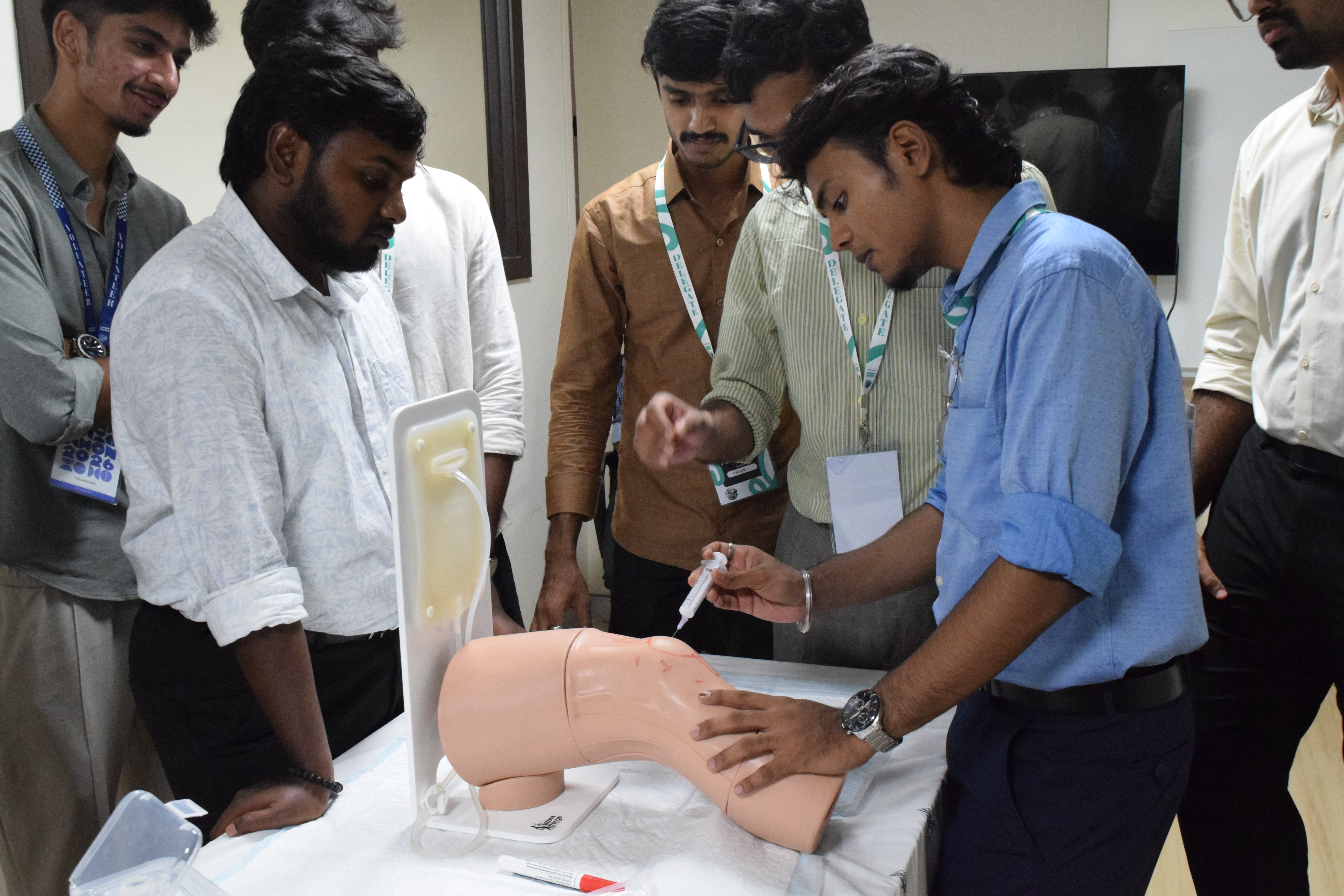
This year’s theme reflected AXON’s vision of encouraging undergraduate medical students to explore innovation in healthcare beyond the traditional classroom through hands-on workshops, case presentations, research paper and proposal presentations, quizzes, and interactive sessions, the event sought to inspire curiosity, practical learning and academic growth.
While participants experienced three days of learning, competition, and collaboration (May 21-23), AXON 15 was the culmination of months of planning, coordination, and dedication behind the scenes.
Preparations began as early as the end of January, with teams gradually building the foundation for one of the institution's flagship events. The initial months were dedicated to defining the event’s identity, establishing its objectives, and planning its overall structure. As the months progressed, efforts expanded to develop academic content, organising competitions and workshops, coordinating logistics, creating promotional materials and managing participant outreach.
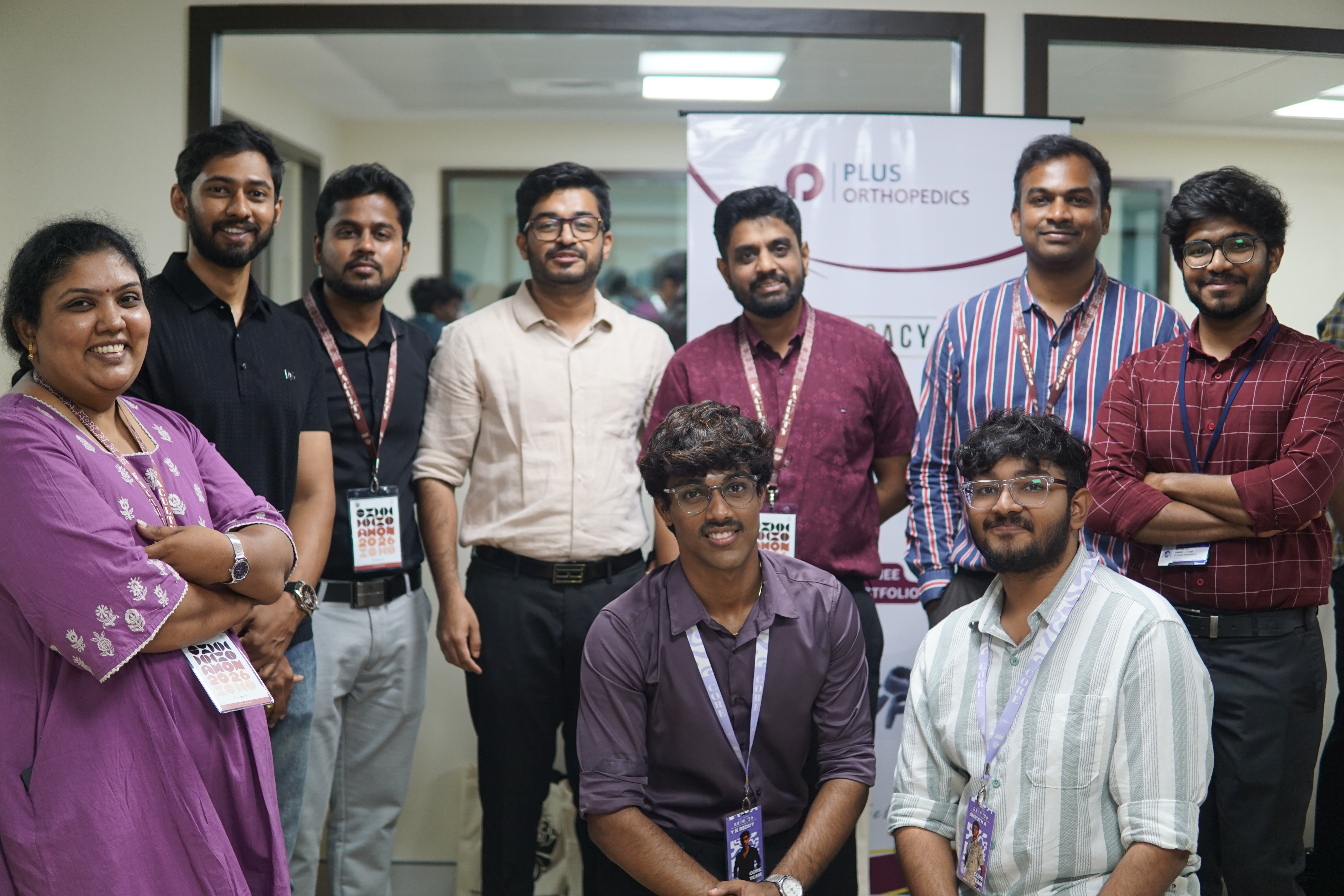
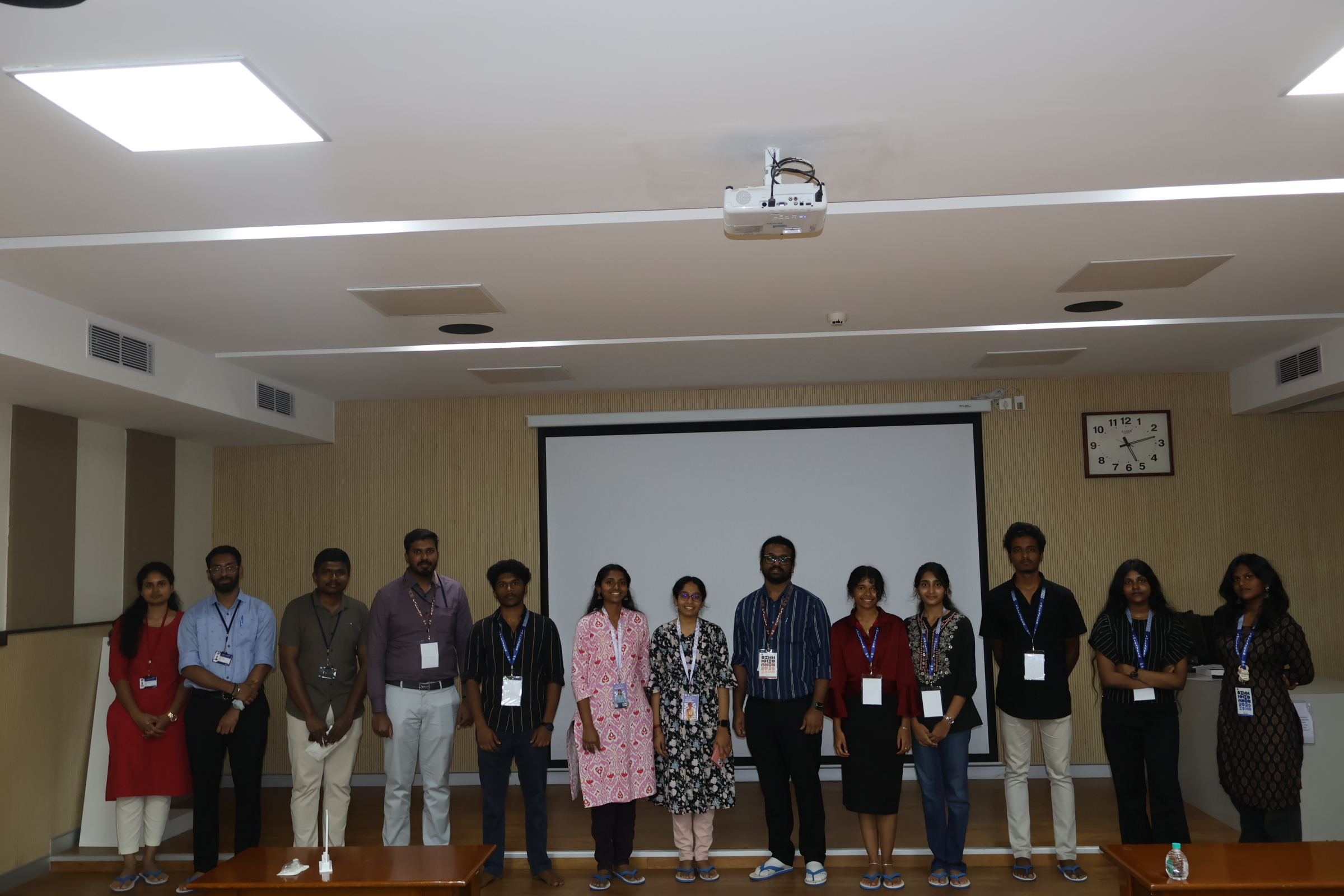
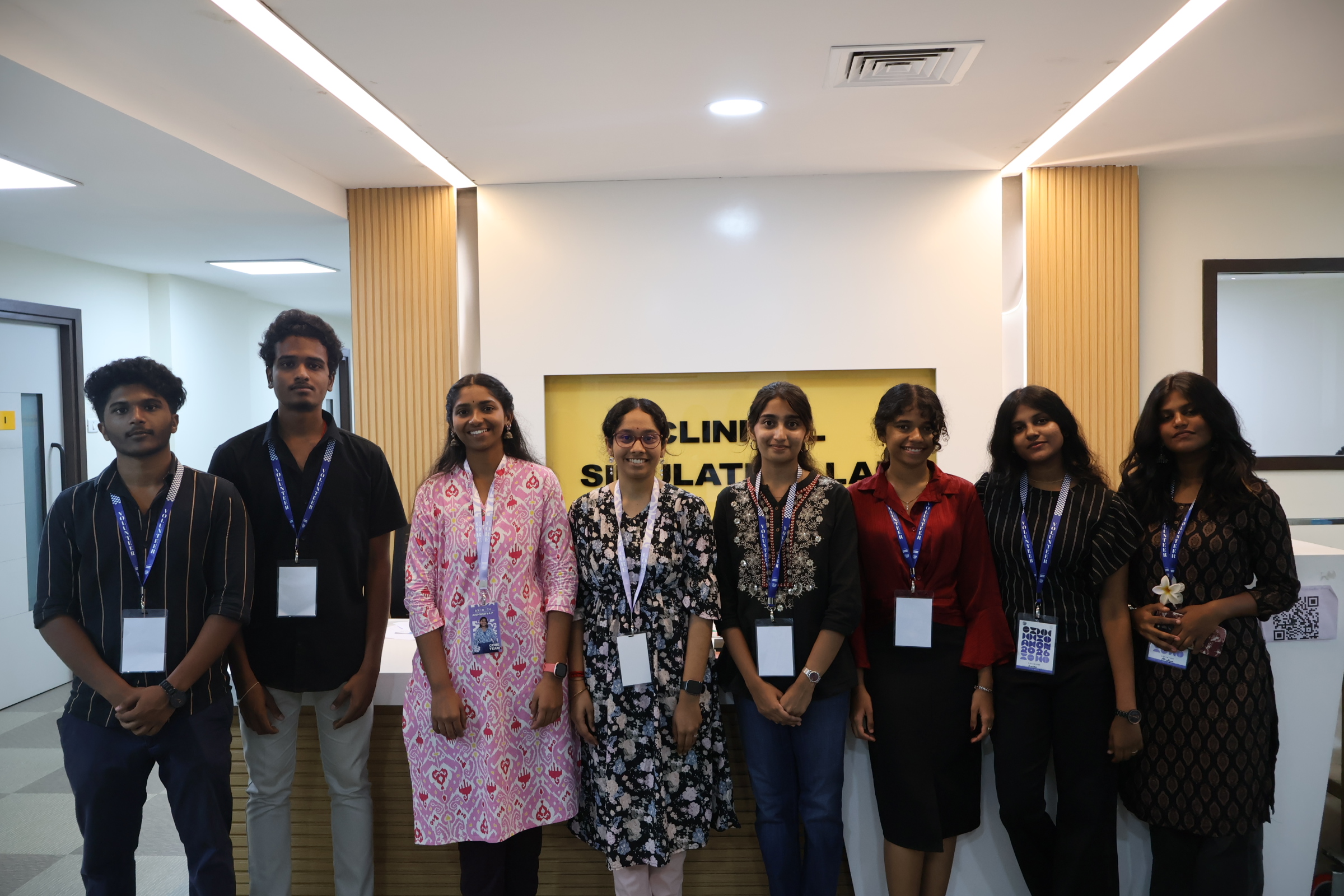
At its core, AXON 15 was a collaborative effort involving numerous committees and student volunteers. Teams worked across academics, logistics, hospitality, design, marketing, registration, finance, media, technical support, workshops, scientific events, and cultural activities. While each committee had distinct responsibilities, the success of the event depended on constant communication and coordination between teams.
Among the many teams that contributed to AXON 15, the Design Team played a key role in shaping the visual identity of the conference. Consisting of approximately 12 to 15 members, the team dedicated long hours - often 16 to 20 hours at a stretch - to creating promotional materials, branding assets, and event visuals. Rather than following a rigid design plan from the outset, many creative decisions evolved organically throughout the planning process, allowing the visual identity of AXON 15 to develop alongside the event itself.
A significant challenge was ensuring that every moving part remained aligned throughout the planning process. Regular meetings, clearly defined timelines, and continuous follow-ups helped maintain momentum and address challenges as they arose. According to the organizing team, the event's success was not the result of any single committee but rather the collective effort of individuals working toward a shared goal.
Looking back, one principle guided the execution of AXON 15: ensuring that the original vision remained intact from planning through implementation. Organizers emphasized the importance of staying involved across committees, identifying potential issues before they became obstacles, and maintaining the enthusiasm and commitment that had driven the project from the start
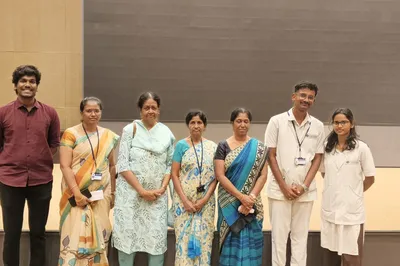
Finally, the invaluable support of the Faculty Organizers and Advisers, Dr. Sudha Ramalingam, Dr. Pavithra, Dr. Kamalraj, whose vision and leadership laid the foundation for the event. Supporting them were the Research Secretaries, Haresh and Karthika, and various heads of each event, who coordinated the various facets of the conference, ensuring smooth collaboration across teams.